
Imagine traveling for a few hours and finding that the language, food, architecture, clothing, traditions, and even the rhythm of daily life have completely changed.
In many countries, this might require crossing a border.
In India, it can happen within the same journey.
This is one of the reasons travelers often describe India as a destination unlike anywhere else in the world. It is not simply because of its monuments, landscapes, or famous landmarks. What truly makes India remarkable is its cultural diversity.
From the Himalayan valleys in the north to the coastal towns of the south, from royal cities in Rajasthan to spiritual centers along the Ganges, every region carries its own identity while remaining part of a larger national story.
For travelers, this means that visiting India rarely feels like visiting a single destination. It feels like experiencing many different worlds within one country.
1. A Country Shaped by Thousands of Years of History
India’s cultural diversity did not appear overnight.
Over thousands of years, different kingdoms, empires, religions, trade routes, and communities helped shape the country into what it is today. These influences can still be seen across architecture, cuisine, languages, music, festivals, and everyday traditions.
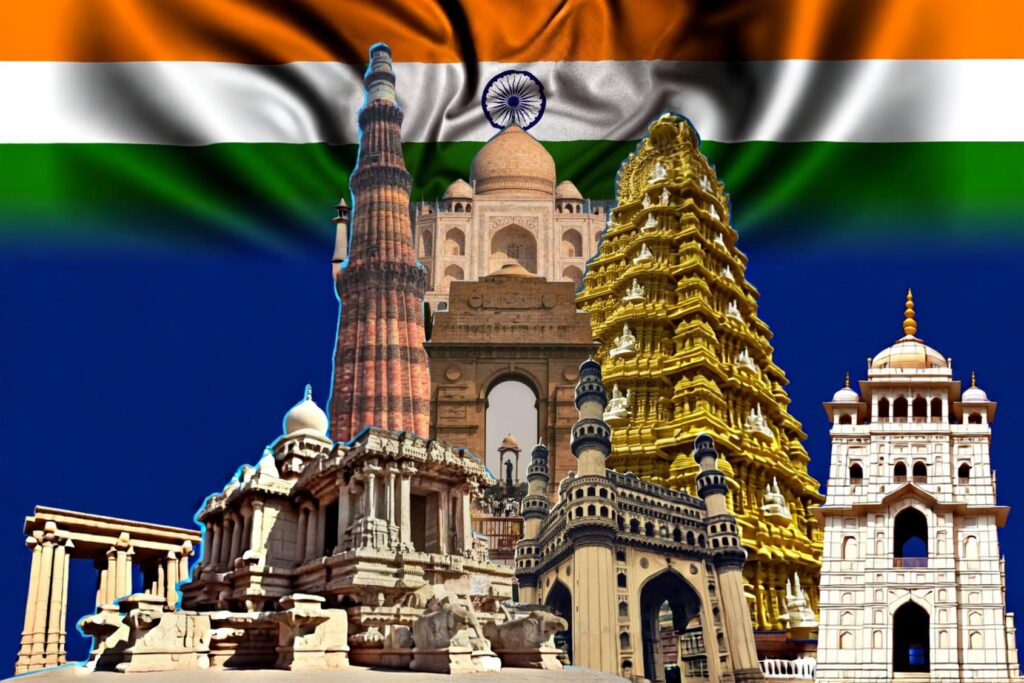
Walk through the streets of Delhi and you will discover Mughal monuments standing beside colonial-era buildings and modern city districts. Travel to Jaipur and royal Rajput heritage becomes part of the landscape. Visit Varanasi and daily life continues around traditions that have existed for centuries.
Every destination adds another layer to the story.
That is what makes traveling through India feel less like moving between cities and more like moving between chapters of a living cultural journey.mented with fresh chutneys.
2. Languages Change, But Hospitality Remains
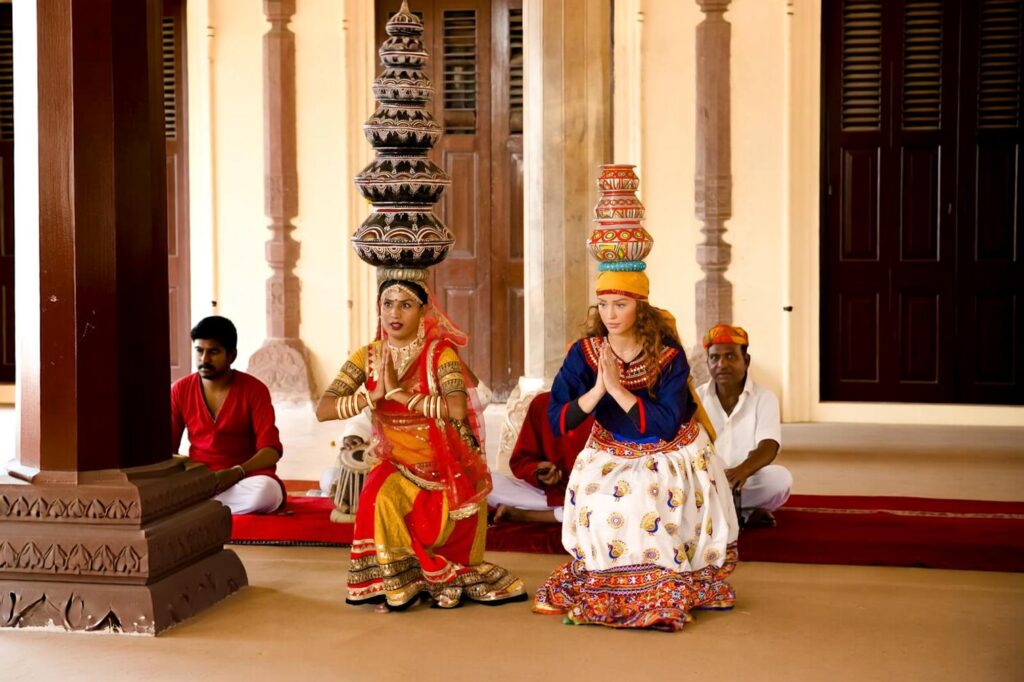
India is home to hundreds of languages and dialects.
The language spoken in one state may sound completely different from the language spoken in another. Signboards, conversations, local expressions, and even greetings often change as travelers move through different regions.
Yet one thing remains remarkably consistent.
Hospitality.
Whether you are sharing tea in a small town, exploring a local market, or visiting a family-run business, travelers often discover a genuine curiosity and warmth from the people they meet along the way.
Many visitors arrive expecting to remember monuments and landscapes.
They often leave remembering conversations.gy, sweet, and spicy notes.
3. Every Region Has Its Own Flavor
Every Region Has Its Own Flavor
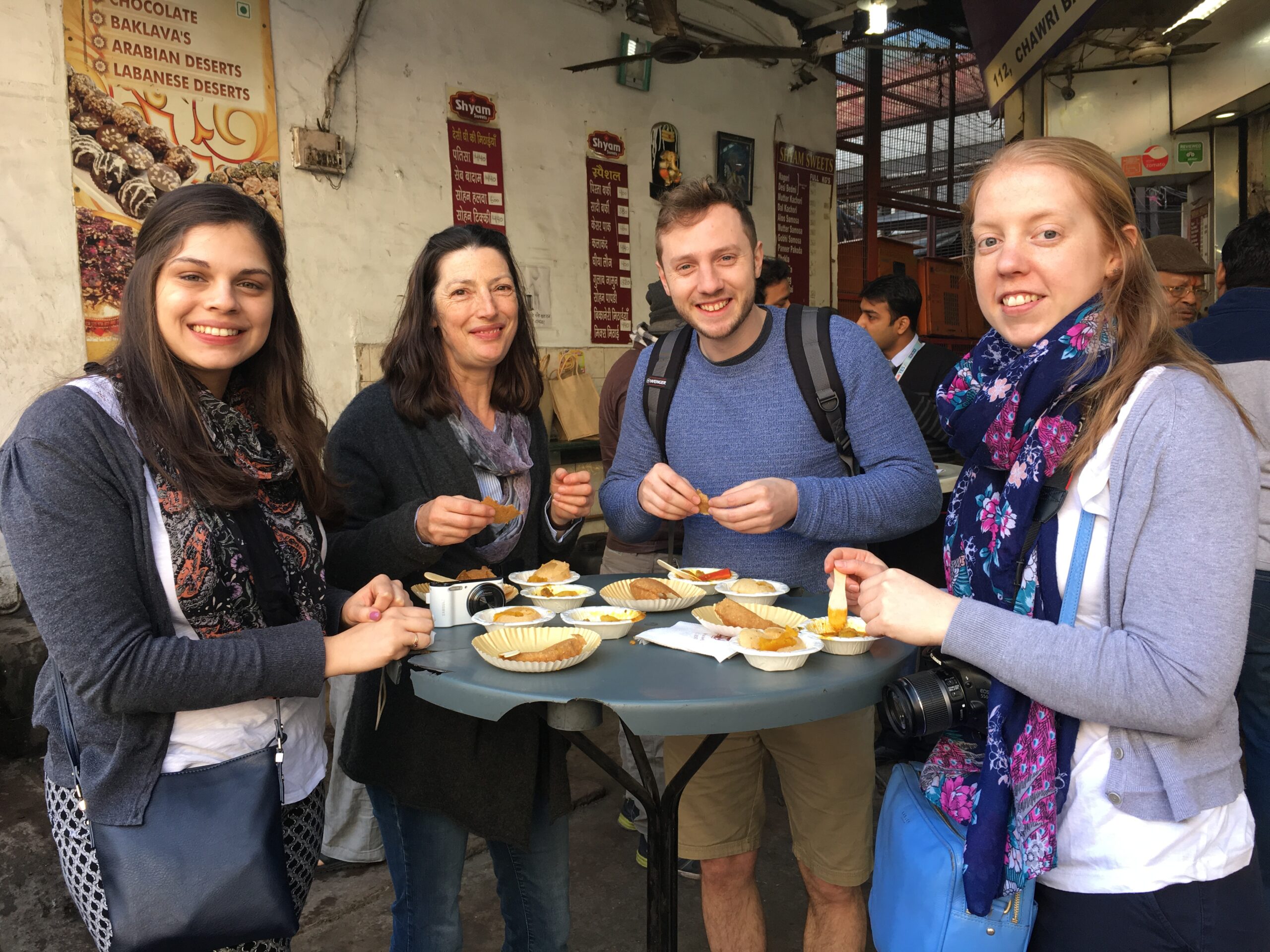
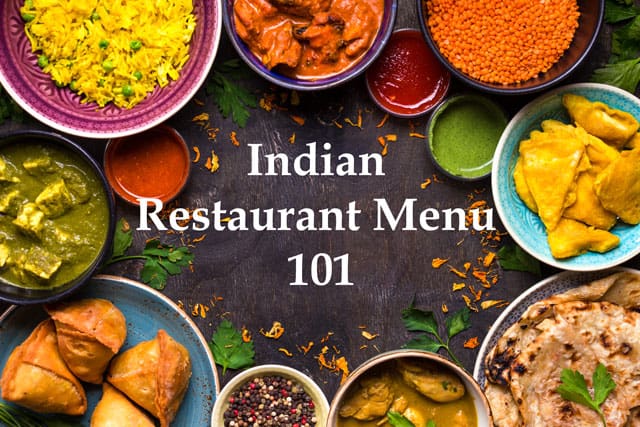
Food is one of the easiest ways to experience India’s diversity.
There is no single “Indian food.”
Instead, every region offers its own ingredients, cooking styles, flavors, and traditions.
In North India, rich curries, breads, and Mughlai influences are common. Rajasthan introduces travelers to royal recipes and desert-inspired cuisine. In the south, rice-based dishes, coconut flavors, and regional spices create a completely different culinary experience.
Even a simple cup of tea can vary from one region to another.
For travelers, food becomes more than a meal. It becomes a way of understanding local culture.r than the north but rich in flavors and coconut-based preparations.

4. Festivals Bring Communities Together
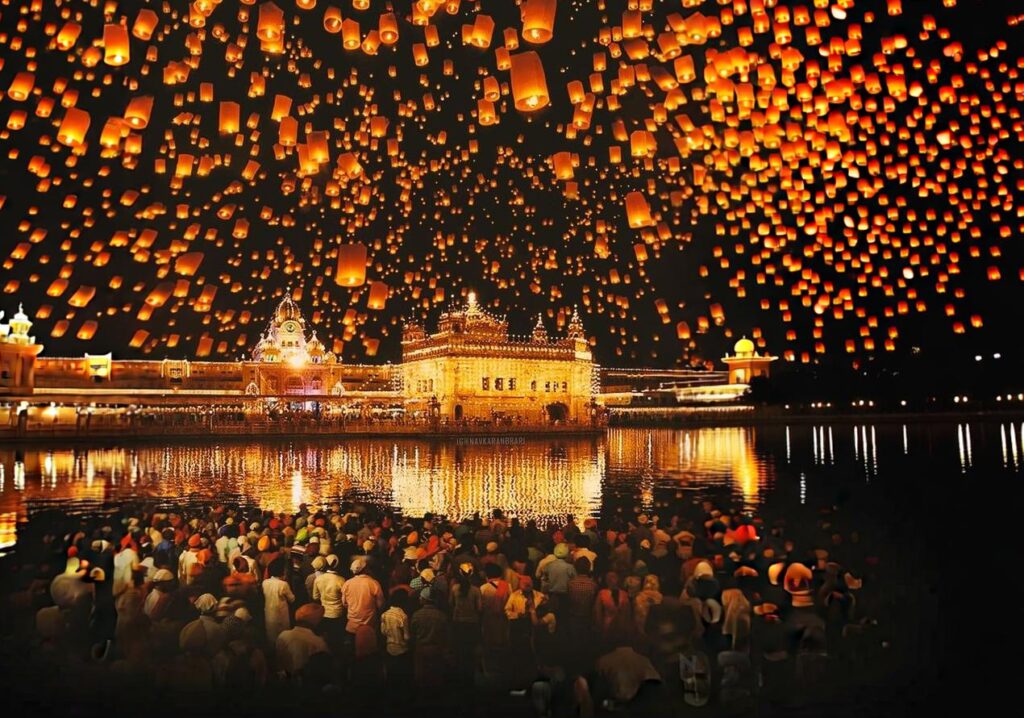
Few countries celebrate festivals with the scale, color, and enthusiasm found in India.
Throughout the year, cities, towns, and villages come alive with celebrations that reflect the country’s religious and cultural diversity.
Some of the most recognized include:
- Pushkar Fair in Rajasthane region’s use of mustard, tamarind, and local vegetables.
- Diwali, the Festival of Lights
- Holi, the Festival of Colors
- Eid celebrations across the country
- Durga Puja in eastern India
- Ganesh Chaturthi in western India
For travelers, these festivals provide an opportunity to witness local traditions at their most vibrant.
Streets become brighter, communities gather together, and destinations take on an entirely different atmosphere.
5. Architecture Tells Many Different Stories
One of the most fascinating ways to experience India’s diversity is through its architecture.
Across the country, buildings reflect centuries of cultural influences and regional identities.
A traveler might explore:
- Mughal masterpieces like the Taj Mahal
- Rajput forts and palaces in Rajasthan
- Ancient temples in South India
- Colonial-era architecture in major cities
- Stepwells, mosques, monasteries, and historic villages
Each structure tells a different story about the people, traditions, and eras that helped shape the country.
This variety is one reason architecture lovers often return to India more than once.
There is always another story waiting to be discovered.
6. Spirituality Is Part of Everyday Life
India is home to several major religions and spiritual traditions.
What often surprises travelers is how naturally these traditions exist within daily life.
A morning may begin with temple bells. A few streets away, prayers may be heard from a mosque. Nearby, a Sikh gurdwara welcomes visitors, while churches and monasteries continue serving local communities.
For many visitors, this coexistence becomes one of the most memorable aspects of traveling in India.
Spirituality here is not hidden away.
It is woven into the everyday rhythm of the country..
7. Diversity Extends Beyond Culture
India’s diversity is not limited to traditions and heritage.
The landscapes themselves constantly change.
Travelers can experience:
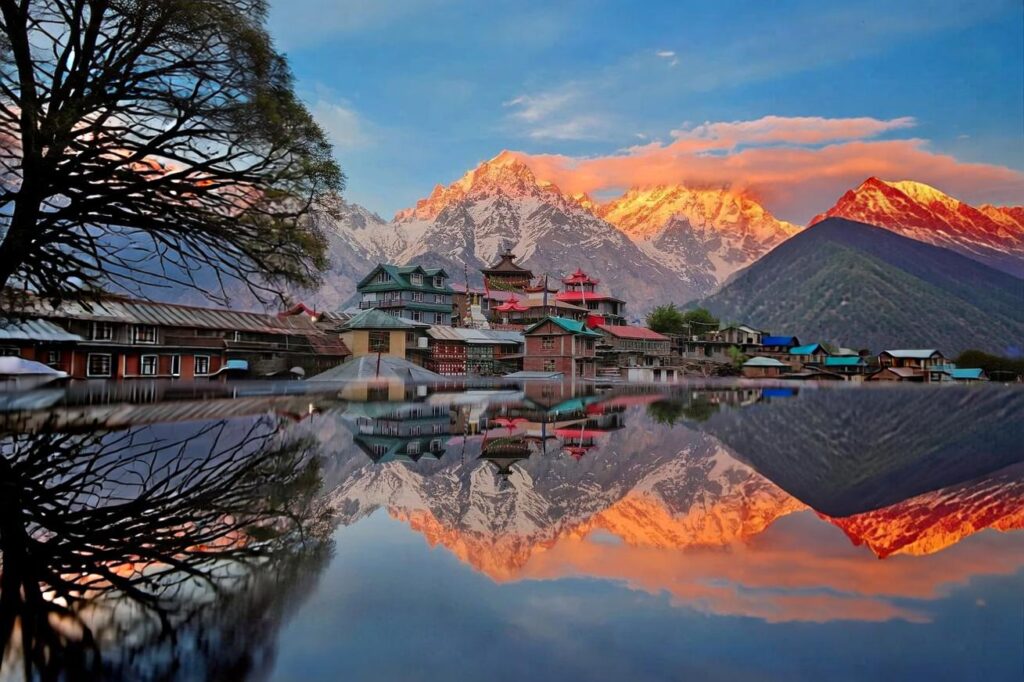
- Himalayan mountain scenery
- Desert landscapes in Rajasthan
- Dense forests and wildlife reserves
- Bustling metropolitan cities
- Historic towns and villages
- Tropical beaches and coastal regions
This variety allows every journey to feel different.
Two travelers can visit India in the same month and return home with completely different experiences.
8. Why Travelers Keep Returning to India
Many destinations are known for one defining attraction.
India is different.
The country offers endless opportunities for discovery because every region feels distinct from the next. The more travelers explore, the more they realize how much remains unseen.
A first visit may focus on Delhi, Agra, and Jaipur.
A second journey may explore Varanasi, Rajasthan, wildlife reserves, or lesser-known cultural destinations.
The experience continues evolving with every trip.
That sense of discovery is one of the reasons India attracts travelers from around the world year after year.
Final Thoughts
India’s cultural diversity cannot be understood through a single monument, city, festival, or experience.
It is found in the conversations, traditions, flavors, celebrations, landscapes, and everyday moments that travelers encounter throughout their journey.
The country constantly changes as you move through it, yet somehow remains connected through a shared sense of identity and heritage.
Perhaps that is what makes India so fascinating.
No matter how much you explore, there is always another story waiting around the corner.
Why is India considered culturally diverse?
How many days are enough to experience India’s culture?
Which Indian city is best for experiencing culture?
What is the best time to visit India?
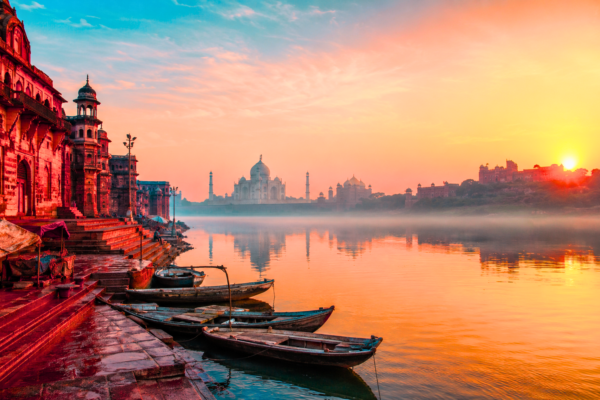
Golden Triangle 8-Day Tour with Varanasi by Flight
From New Delhi - FREE Cancellation
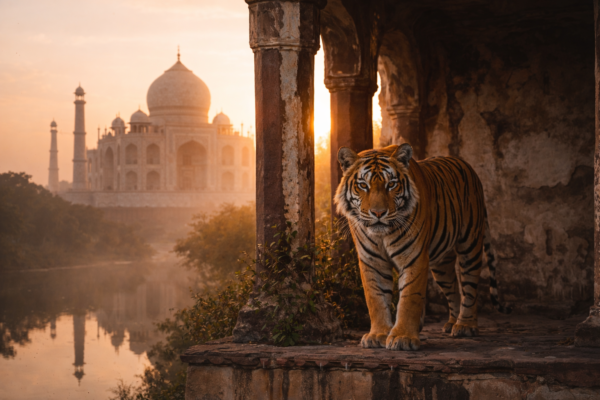
Delhi Agra Jaipur 5-Days Golden Triangle Tour with Safari
From New Delhi - FREE Cancellation
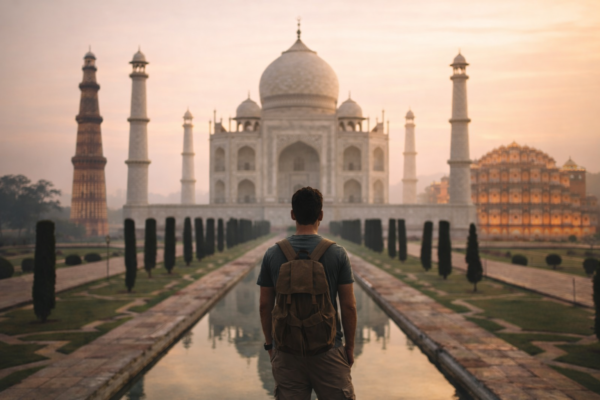
Delhi Agra Jaipur 4-Days Golden Triangle Tour with Tiger Safari
From New Delhi - FREE Cancellation

Comment (0)