

Meta description: Is India safe for tourists? Get practical advice on transport, women’s safety, scams, food hygiene, health, local customs and emergency contacts before your trip.
India can be an extraordinary place to travel, whether you are discovering the Taj Mahal, exploring Rajasthan’s historic cities, tasting regional food or heading into the mountains. It can also take some adjustment. Busy streets, unfamiliar transport systems, different local customs and regional variations mean that a little preparation goes a long way.
So, is India safe for tourists?
There is no single answer that applies to every destination or traveller. Many people visit India without serious problems, but theft, scams, road accidents, harassment, health issues and local security concerns are real risks. The level of risk depends on where you go, how you travel, the time of day and your individual circumstances.
This guide covers the precautions that matter most for both Indian and international visitors, including solo travellers, women, families and first-time visitors.
1. Is India safe for tourists?
India is not one uniform travel environment. A busy tourist district, a remote mountain road, a major railway station and a quiet residential neighbourhood can present very different challenges.
For many visitors, the most likely difficulties are practical rather than dramatic: negotiating transport, avoiding overpriced services, protecting valuables, managing stomach upsets and navigating crowded public places. More serious incidents can happen, too, so it is worth knowing how to seek help.
A few principles make travel easier:
- Research the particular cities and regions on your itinerary rather than relying on a single country-wide safety label.
- Choose accommodation with recent, credible reviews and a location that suits your arrival time and plans.
- Arrange airport transfers or use established transport services, especially when arriving late at night.
- Keep your phone charged, your important documents backed up and your emergency contacts accessible.
- Check current government travel advice before departure and again before visiting regions where security conditions may change.
For Indian travellers: Familiarity with the language or culture does not eliminate risks. Be alert to transport scams, unsafe roads, theft, fraudulent bookings and changing local conditions.
For international travellers: You may need extra time to understand local transport, payment methods, entry requirements and cultural expectations. A reliable local contact, a working phone connection and a well-planned first day can make a significant difference.
2. Staying safe in cities, markets and tourist areas
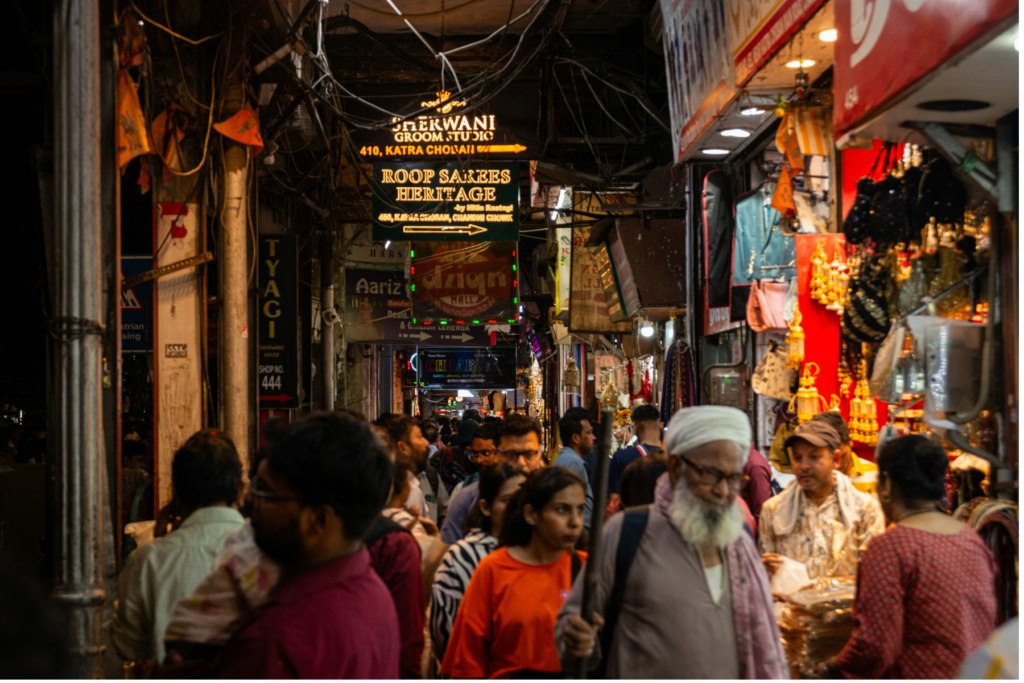
Places such as Delhi’s markets, Agra’s monument entrances and Jaipur’s busy shopping streets are part of the travel experience. Crowds can also make it easier for someone to distract you, overcharge you or take advantage of unfamiliarity.
Use these precautions:
- Keep your phone and wallet secure in crowded streets, markets, stations and public transport.
- Avoid displaying large amounts of cash, expensive jewellery or multiple electronic devices unnecessarily.
- Be cautious when someone approaches you with unsolicited offers of guiding services, shopping trips, tickets or accommodation.
- If a driver, guide or stranger insists that your planned attraction, hotel or ticket office is closed, verify the information independently before changing your plans.
- Agree on the price and scope of a service before accepting it, particularly for local transport, guiding and shopping.
- If a situation feels uncomfortable, move towards a staffed business, hotel reception, official help desk or other populated place.
A useful rule is to separate friendly conversation from a commercial decision. Someone may genuinely be trying to help, but you do not need to follow a stranger to another location or make an immediate purchase.
For destination-specific planning, explore Taj Explore’s guides to New Delhi, Agra and Jaipur.
3. Transport safety: taxis, trains and road journeys
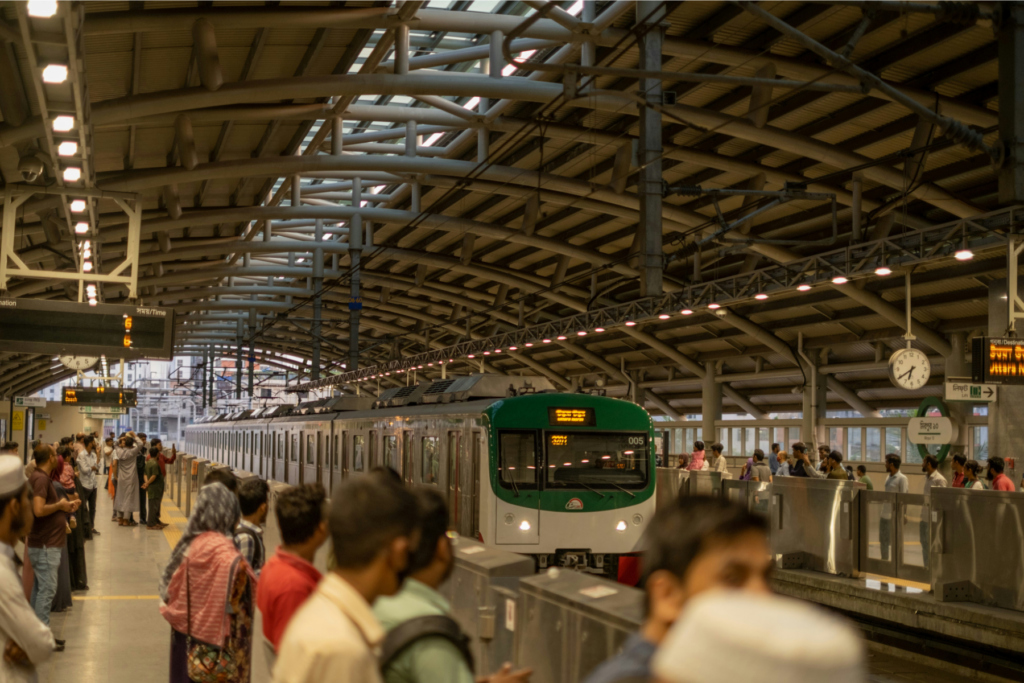
Transport deserves particular attention because road conditions, traffic behaviour and the quality of individual services vary considerably.
Taxis and auto-rickshaws
Whenever practical, use a reputable app-based ride, a recognised prepaid taxi counter or a transfer arranged directly with your accommodation or travel provider.
Before starting a ride:
- Confirm the vehicle and driver details against your booking.
- Check that the destination is correct.
- Share the journey details with someone you trust when appropriate.
- Avoid getting into a vehicle if the driver asks you to change to a different, unverified arrangement.
- Keep your belongings with you and check the vehicle before leaving.
If you have arranged an airport pickup, establish how the driver will identify themselves in advance. At a busy terminal, do not assume that someone holding a sign or offering a ride is your booked driver.
Trains and buses
Indian trains connect many major destinations and can be a practical way to travel. Book through official railway channels or reputable booking services, select the class and berth that suit your needs, and keep your ticket and identification details accessible.
Secure your luggage, especially during boarding, at stations and when sleeping. Avoid accepting food or drinks from strangers, and be wary of people offering unofficial tickets or claiming they can arrange a better seat for an extra payment.
For overnight journeys, choose your berth with your comfort and circumstances in mind. Families, solo travellers and people travelling with substantial luggage may prefer arrangements that make it easier to keep belongings close.
Private cars and long-distance road travel
Road journeys can be tiring, and traffic may be unfamiliar to visitors. Choose a well-maintained vehicle and a driver who is appropriately licensed and experienced with the route. Wear seat belts wherever provided, and avoid travelling with a driver who appears fatigued or drives aggressively.
If you are planning several cities, compare the time and practicalities of driving with rail or air travel. Taj Explore’s guide to flights to India can help with air-travel planning, while a private itinerary may simplify transfers between major sightseeing stops.
4. Women’s safety and solo travel in India
Women can travel in India, but it would be misleading to suggest that every destination or situation carries the same level of risk. Verbal harassment, intrusive attention and unwanted physical contact are concerns reported by women travellers. Serious sexual violence is also a risk.
These issues should be taken seriously without implying that every encounter will be unsafe or that responsibility for harassment rests with the person experiencing it.
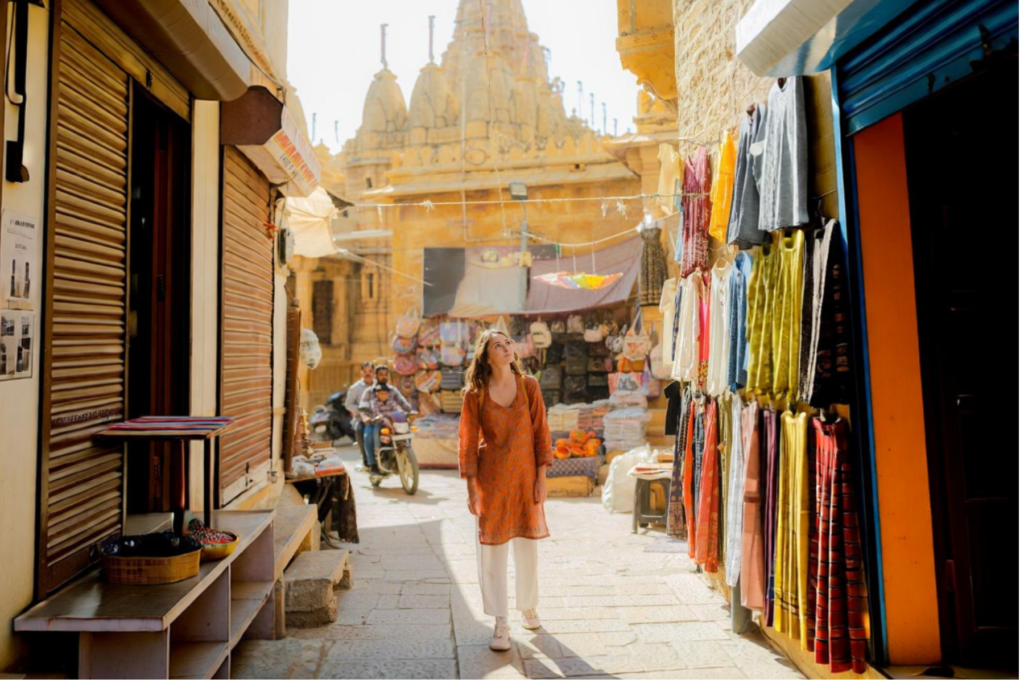
Practical precautions include:
- Research the neighbourhood and transport options before booking accommodation.
- Plan how you will return after evening activities, rather than relying on finding transport at the last minute.
- Prefer established transport services and verify the driver and vehicle before boarding.
- Avoid isolated areas when you feel vulnerable, particularly after dark.
- Share your itinerary or live location with a trusted person if that helps you feel more secure.
- In crowded spaces, keep personal belongings close and move away from anyone who repeatedly ignores your boundaries.
- If you experience harassment, seek help from trusted staff, local authorities or emergency services when needed.
Women-only metro coaches, reserved train accommodation or other designated services may be available on particular routes. Availability differs by city and service, so check the arrangements for your journey rather than assuming they exist everywhere.
What about clothing? Dress expectations vary by destination and setting. Modest clothing can be useful when visiting religious sites or conservative communities, and some places have specific entry requirements. However, clothing does not cause or justify harassment, and no outfit can guarantee safety.
Solo travellers of any gender should also be cautious about accepting invitations from strangers to visit private homes, secluded locations or unfamiliar establishments. You can be polite without agreeing to something that makes you uncomfortable.
5. Scams that tourists should recognise
Tourist scams often rely on urgency, confusion or the promise of an unusually good deal. A calm pause and independent verification can prevent many problems.
| Common situation | A safer response |
|---|---|
| Someone says your hotel or attraction is closed | Check directly with the hotel or attraction through its official contact details. |
| A stranger offers a very cheap tour or special access | Verify the operator, inclusions, meeting point and total price before paying. |
| A driver changes the agreed price or destination | Refer to the booking or original agreement and decline an unapproved change. |
| Someone requests an advance payment through an unfamiliar link | Verify the business and payment recipient independently before transferring money. |
| A shop promises a valuable item can be resold for a profit | Treat the claim with caution; do not buy based on promised future returns. |
| Someone pressures you to withdraw cash or visit a different shop | Decline and use a payment method or location you have chosen yourself. |
Book monument tickets through official ticketing channels where possible, and use established businesses for accommodation and guided tours. Keep receipts and booking confirmations until the service has been completed.
For payments, carry a sensible mix of payment options. International visitors should not assume that a foreign card or digital wallet will work at every shop, while Indian travellers should still be cautious of QR-code substitution, suspicious payment requests and unverified links. Taj Explore’s currency guide for tourists explains the practicalities of carrying and exchanging money.
6. Food, drinking water and health precautions
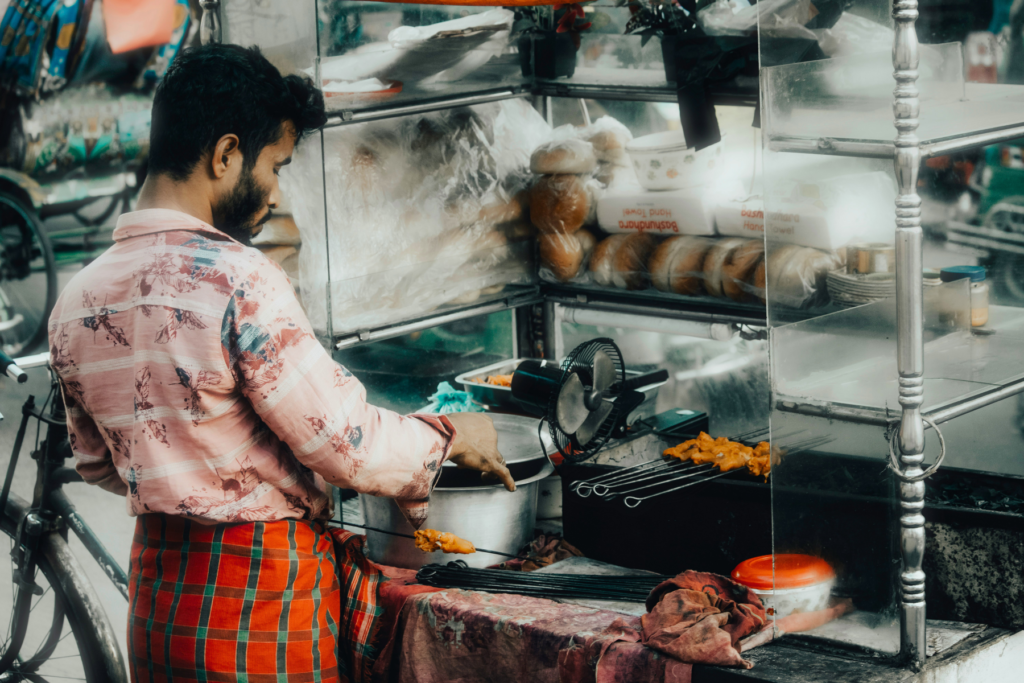
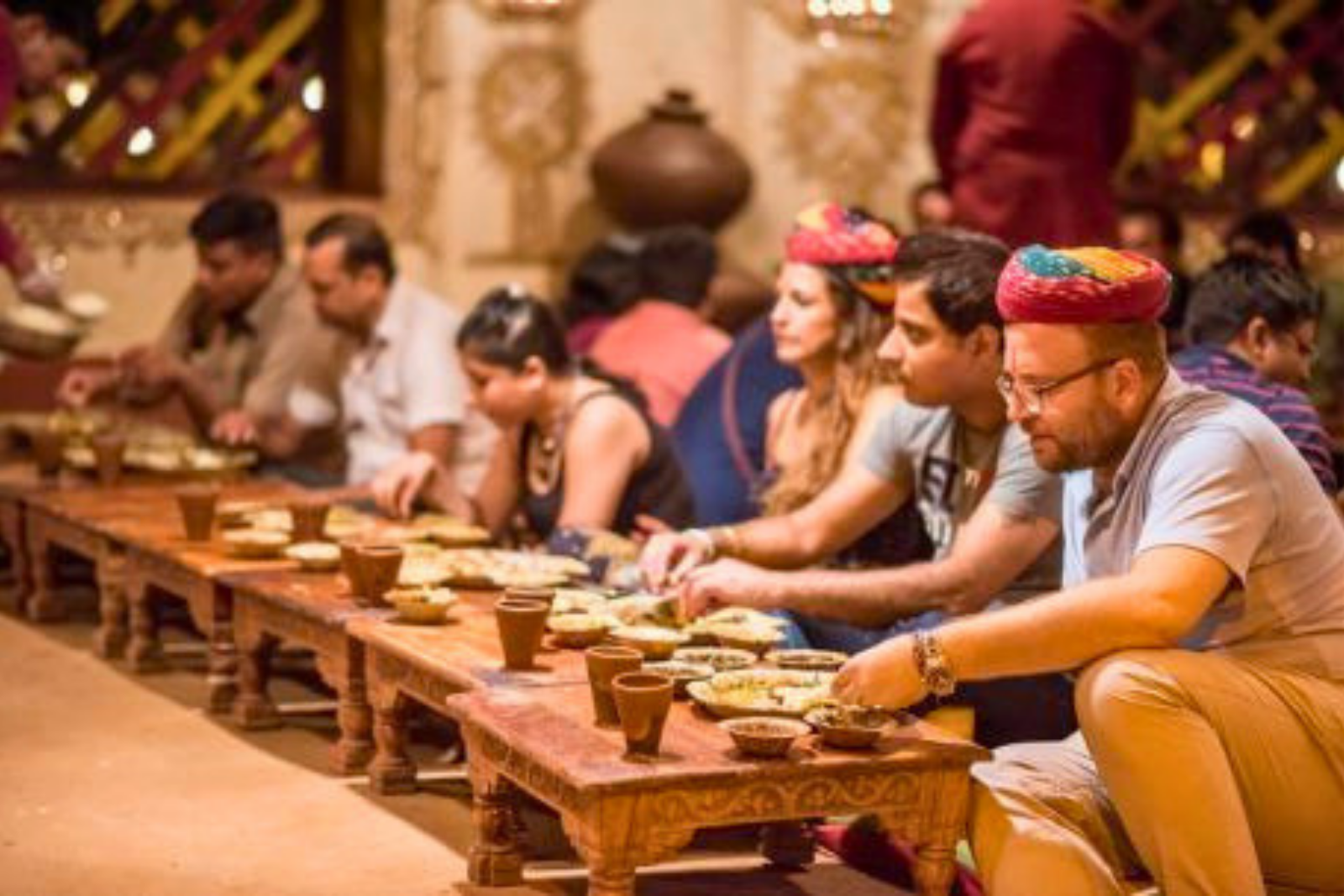
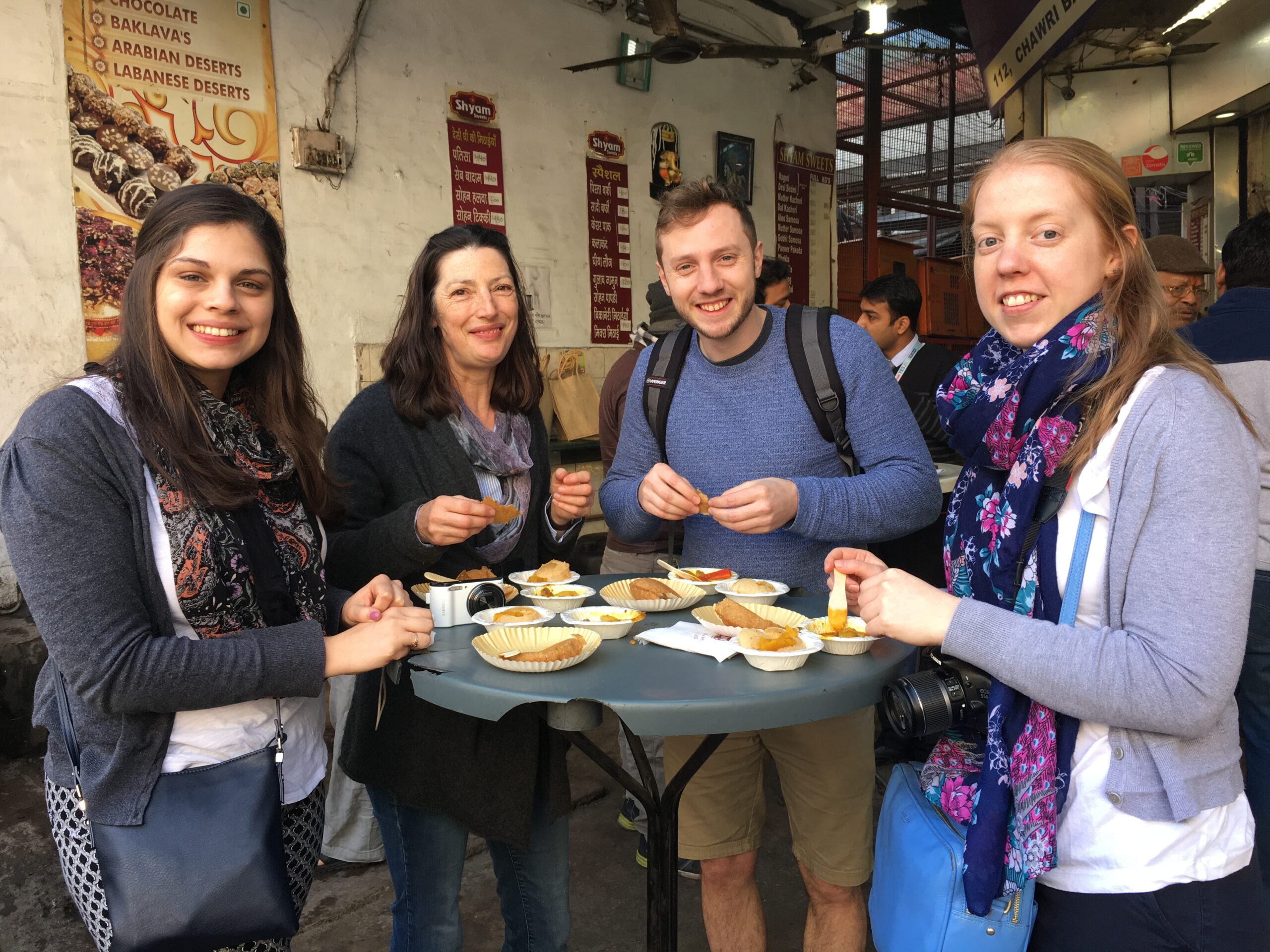
India’s food is a major part of its appeal, from regional thalis to street-side snacks. You do not need to avoid local cuisine to travel sensibly; the key is to pay attention to hygiene and your own tolerance.
Choosing food safely
- Prefer food that is freshly cooked and served hot.
- Choose busy food stalls where you can see food being prepared and turnover appears high.
- Be cautious with raw salads, cut fruit and uncooked garnishes if you cannot establish how they were washed and stored.
- Avoid food that has been sitting uncovered for a long time or appears to have been kept at an unsafe temperature.
- Wash your hands before eating, or use hand sanitiser when washing facilities are unavailable.
A popular stall is not automatically hygienic, and a restaurant is not automatically risk-free. Use what you can observe rather than relying only on reputation.
For more ideas on what to eat and how to explore local cuisine, see Taj Explore’s guide to street food and restaurants in India.
Drinking water
If you are unsure about the local water supply, choose factory-sealed bottled water or water from a reliable purification source. Check that the seal is intact before drinking. Be cautious with ice and water used in uncooked foods when its source is uncertain.
A reusable bottle with an appropriate filtration or purification method can be useful, but not every filter removes every type of pathogen. Choose a system suitable for the water risks involved and follow its instructions.
Heat, mosquitoes and medical care
Depending on your destination and season, you may need protection against heat, dehydration and mosquito-borne illnesses. Use sun protection, drink fluids regularly and take breaks during hot weather. Apply a suitable insect repellent and follow current health advice for the regions you plan to visit.
Before travelling, consult a healthcare professional about recommended vaccinations, medicines and any destination-specific precautions. If you take prescription medication, carry enough for the trip and keep it in its original packaging where practical.
Travel insurance should cover the activities on your itinerary and, where appropriate, emergency treatment and medical evacuation. Save your insurer’s emergency contact details somewhere you can access without an internet connection.
7. Local customs, religious sites and photography
India is culturally diverse, and expectations differ between communities and locations. A little awareness helps visitors avoid misunderstandings and show respect.
- At temples, mosques, gurdwaras and other religious sites, follow posted instructions about footwear, head coverings, clothing and photography.
- Ask permission before photographing people closely, especially children, religious ceremonies or private activities.
- Do not assume that photography is allowed simply because a place is open to visitors.
- Avoid photographing military installations, sensitive infrastructure or restricted areas where photography is prohibited.
- Ask before entering private property, and follow local instructions during ceremonies or crowded events.
At festivals and major gatherings, stay aware of exits and crowd movement. If a crowd begins to compress, people are pushing, or movement becomes difficult, move away from the pressure when possible and follow instructions from event staff or emergency personnel.
Respect for local customs should go both ways: travellers should behave thoughtfully, but they do not have to accept unwanted attention, intimidation or demands for money in the name of tradition.
8. Weather, natural hazards and regional security
Safety planning should reflect the actual destination and time of year, not just the country as a whole.
Heavy monsoon rain can cause flooding and landslides, especially in hilly regions. Extreme heat can make sightseeing dangerous, while winter fog can disrupt flights and road journeys in parts of North India. Mountain travel may involve altitude risks, rapidly changing weather and limited access to emergency care.
Before departure:
- Check local weather forecasts and official warnings.
- Allow extra time for connections during fog, heavy rain or other disruptive conditions.
- Avoid crossing flooded roads or walking close to unstable slopes.
- Follow local advice about beaches, rivers, trekking routes and wildlife areas.
- Check current government travel advisories for security restrictions affecting your planned destinations.
Political demonstrations, strikes, local unrest and security restrictions can develop quickly. Avoid demonstrations and follow instructions from local authorities. Some border areas and other regions may carry specific travel restrictions or advisories; these can change, so do not rely on an old blog post or a previous traveller’s experience as proof that an area is currently safe.
For seasonal planning, consult Taj Explore’s weather guide for travelling in India.
9. Emergency numbers and where to get help
Save these contacts before you travel. The most useful number to remember for an emergency in India is 112.
| Service | Contact |
|---|---|
| National emergency response — police, fire or medical assistance | 112 |
| Ministry of Tourism multilingual tourist helpline | 1363 or 1800-11-1363 |
| Police | 100 is also listed in official guidance; use 112 for national emergency response |
| Women’s helpline | Check the current number and arrangements for the state you are visiting; 112 can be used in an emergency |
India’s official Emergency Response Support System describes 112 as the national emergency number. The Ministry of Tourism also provides a 24-hour multilingual tourist helpline for domestic and international visitors. Its published language support includes English, Hindi and several international languages.
If you are the victim of theft or another crime:
- Move to a safe location before confronting anyone or attempting to recover property.
- Contact the police or emergency services if there is immediate danger.
- Notify your accommodation, travel provider or trusted contact where appropriate.
- Contact your bank promptly if payment cards or financial accounts may be compromised.
- Report the incident and obtain documentation where possible, particularly if you need to make an insurance claim.
- If you are an international visitor, contact your embassy or consulate for relevant assistance, especially if your passport is lost or stolen.
Do not assume that every situation requires an emergency call. For a non-urgent complaint about a booking or service, the tourist helpline or the relevant official complaint channel may be more appropriate.
10. A simple safety checklist before you leave
Use this checklist before setting off each day or beginning a longer journey.
- Save your accommodation address and important contact numbers offline.
- Keep your phone charged and carry a power bank if you will be out for long periods.
- Carry only the documents and cash you reasonably need for the day.
- Keep a secure digital copy of your passport, identification and booking confirmations.
- Confirm transport arrangements and the expected fare before starting a journey.
- Check weather alerts and any current local travel restrictions.
- Carry water, sun protection and any personal medication you need.
- Tell someone you trust about major itinerary changes when appropriate.
- Know how to reach emergency services and your travel insurer.
For international visitors, it is also worth checking entry requirements and arranging the first night’s accommodation and arrival transfer before the flight. Taj Explore’s guides to accommodation in India and flights to India can help with those preparations.
Frequently asked questions
Is India safe for foreign tourists?
Many foreign visitors travel around India without serious incidents, but experiences vary. Research your destinations, use reliable transport, take sensible precautions against scams and theft, and check your government’s latest travel advice before departure.
Is India safe for Indian tourists?
Indian travellers face many of the same risks as international visitors, including road accidents, theft, fraudulent services and health issues. Local knowledge can help, but it does not replace checking bookings, transport arrangements and current regional conditions.
Is India safe for women travelling alone?
Some women travel independently in India, while others prefer a companion, organised itinerary or additional transport and accommodation precautions. Harassment and sexual violence are genuine concerns. Research the specific destinations, plan evening transport, choose accommodation carefully and seek help if someone crosses your boundaries. No precaution can guarantee safety.
Is it safe to travel around India at night?
It depends on the location, mode of transport and circumstances. A pre-arranged transfer or booked train journey is different from walking alone through an unfamiliar, poorly lit area. Plan late arrivals carefully and avoid unnecessary exposure to isolated places.
Can tourists eat street food in India?
Yes, many visitors enjoy street food. Choose vendors who prepare food fresh, serve it hot and maintain visible cleanliness. Be more cautious with uncooked ingredients, cut fruit and drinks containing ice when water quality is uncertain.
What is the emergency number in India?
Dial 112 for national emergency response. Tourists can also contact the Ministry of Tourism’s multilingual helpline at 1363 or 1800-11-1363 for travel information and assistance.
Should I book a guided tour to stay safe?
A guided tour is not essential for every destination, but a reputable operator can reduce the effort involved in organising transport, coordinating sightseeing and navigating unfamiliar places. Check what is included, how the operator communicates, and whether the itinerary suits your needs. A tour is not a guarantee against every risk, so retain your own emergency contacts and stay aware of your surroundings.
Final thoughts
India is too diverse for a single statement about safety to tell the whole story. The most useful approach is to prepare for the specific places you plan to visit, make informed choices about transport and accommodation, respect local customs and stay aware of changing conditions.
You do not need to approach every street or interaction with suspicion. You do need to know when to verify information, when to decline an offer, how to protect your belongings and where to get help.
With realistic expectations and a little preparation, you can spend less time worrying about avoidable problems and more time experiencing India’s history, food, landscapes and everyday life.






Comment (0)