

Meta description: Discover the best time to visit India, from the Golden Triangle and Rajasthan to Kerala and the Himalayas. Compare seasons, weather, wildlife safaris and travel tips.
India is not a destination with one perfect travel season. A winter morning at the Taj Mahal, a tiger safari in Rajasthan, a summer escape into the Himalayas and a monsoon journey through Kerala can offer very different experiences—all within the same country.
The challenge is choosing the right months for the places you want to visit. Weather affects more than what you pack. It can influence sightseeing comfort, road journeys, wildlife experiences, mountain access and how much you can comfortably fit into a day.
For most first-time visitors planning a trip through Delhi, Agra and Jaipur, October to March is generally the most comfortable period for sightseeing. December and January can bring cold mornings, fog and poor visibility in North India, while March becomes progressively warmer. For other regions, the best window may be different. Lonely Planet and Condé Nast Traveller similarly emphasise that timing depends on the region and the kind of trip you want.
This guide breaks down India’s seasons, explains when to visit its major destinations and helps you plan a journey around the weather rather than simply choosing dates on a calendar.
At a glance: When should you visit India?
| Travel experience | Months worth considering | What to know |
|---|---|---|
| Golden Triangle — Delhi, Agra and Jaipur | October–March | Generally more comfortable for monuments and city sightseeing |
| Rajasthan forts, palaces and desert landscapes | October–March | Cooler conditions; winter nights can be cold |
| Ranthambore tiger safari | Check the park’s operating season; often October–June | Heat, park closures and safari availability vary by season |
| Kerala backwaters and southern coastal travel | October–March | Generally popular for travel, but regional rainfall patterns differ |
| Goa beaches | November–February | Popular dry-season period; book ahead for busy dates |
| Himalayan hill stations | Spring and summer, depending on altitude | Weather and road access vary significantly |
| Ladakh road trips and high-altitude landscapes | Usually June–September | Seasonal road access; altitude and weather require preparation |
| Monsoon landscapes and waterfalls | Generally June–September in many regions | Lush scenery, but heavy rain can disrupt transport and outdoor plans |
These are planning windows, not guarantees. Weather varies from year to year, and conditions can differ considerably between neighbouring destinations. Check local forecasts and official advisories before departure. Official India tourism weather guide.
1. Understanding India’s weather and seasons
India’s geography ranges from Himalayan mountains and dry desert landscapes to tropical coastlines and rain-soaked forests. As a result, a season that works well in one region may be uncomfortable—or unsuitable—for another.
For broad travel planning, the year can be divided into four overlapping periods. The exact timing and intensity vary by region.
Winter: December to February
Winter is a popular time for exploring much of North and Central India. Days are often more comfortable for outdoor sightseeing than during the hottest months, although mornings and evenings can be cold.
Delhi, Agra and Jaipur are particularly appealing for travellers who want to explore historic monuments, markets, forts and old neighbourhoods without the intense heat of late spring.
However, winter does not mean consistently clear skies. Fog can affect visibility and transport in the northern plains, while some cities may experience poor air quality. Pack layers, check forecasts and leave flexibility around important journeys.
Best for: Golden Triangle tours, Rajasthan heritage trips, city sightseeing and many southern winter holidays.
Plan carefully if: Your schedule depends on an early flight, a long road transfer or a sunrise visit during foggy weather.
Spring: March to April
Spring is a transition period. Early March can still be pleasant for sightseeing in parts of North India, but temperatures rise as the season progresses. April can already be very hot in Delhi, Agra, Jaipur and other inland destinations.
This season can work well for travellers who prefer fewer peak-winter crowds or want to combine heritage with cooler mountain destinations. However, do not assume that spring means mild weather throughout the country.
Best for: Early-spring Golden Triangle trips, selected Himalayan destinations and travellers who plan their outdoor activities around cooler hours.
Plan carefully if: You are visiting the northern plains in April, when midday sightseeing can become uncomfortable.
Summer and the pre-monsoon season: May to June
Summer can bring intense heat to much of inland India. In some northern and central regions, temperatures can rise above 40°C during heatwaves. Hot winds, strong sunshine and high temperatures can make extended outdoor sightseeing difficult.
This does not make the whole country unsuitable for travel. Hill stations and higher-altitude destinations may offer cooler conditions, while wildlife trips can remain possible where parks are operating. The right choice depends on the destination, the current forecast and your tolerance for heat.
For a heritage trip, consider early starts, shaded breaks, air-conditioned transfers and indoor visits during the hottest part of the day.
Best for: Selected mountain destinations, carefully planned wildlife travel and travellers who can adapt their schedule to the heat.
Plan carefully if: Your itinerary involves long afternoons at exposed monuments or extended road journeys through the plains.
Monsoon and the post-monsoon transition: June to October
The southwest monsoon usually begins over Kerala around early June and advances northwards, commonly covering much of India by around mid-July. Its arrival and withdrawal vary each year. The India Meteorological Department publishes the official monsoon onset and progress information and withdrawal updates.
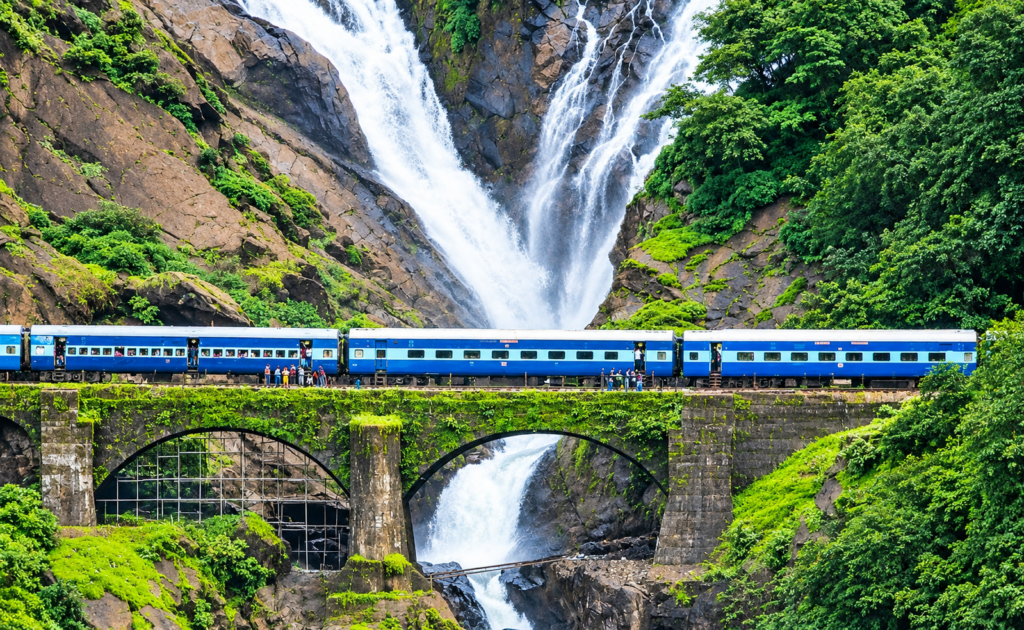
Monsoon travel can reveal a greener side of India. Forests, hills, waterfalls and rural landscapes take on a different character, and some destinations become especially attractive to photographers.
The trade-off is uncertainty. Heavy rainfall can disrupt road travel, cause flooding or landslides in vulnerable areas, and affect outdoor activities. Rainfall patterns also differ: parts of southeastern India receive important rainfall later in the year from the northeast monsoon.
As the main monsoon withdraws, many destinations begin moving towards a more comfortable sightseeing season. October can be an excellent time to consider North India, although some places may remain hot or wet early in the month.
Best for: Lush landscapes, selected nature trips and travellers willing to remain flexible.
Plan carefully if: Your itinerary relies on mountain roads, outdoor activities, tightly connected transfers or guaranteed clear views.
2. Best time to visit the Golden Triangle
For Taj Explore travellers, the Golden Triangle is one of the most useful routes to plan around the weather. It links Delhi, Agra and Jaipur, bringing together Mughal monuments, historic neighbourhoods, royal architecture and Rajasthan’s cultural heritage.
For many visitors, October to March is the broadest practical window, with October and November and February and early March often worth considering for a balance of sightseeing comfort and manageable temperatures. Winter is also a busy travel period, so hotel availability and prices can rise around holidays and major events. National Geographic’s Golden Triangle guide discusses the seasonal trade-offs and the popularity of the cooler months.
Delhi
Delhi combines outdoor monuments, busy markets, museums and extensive neighbourhoods. Cooler months make it easier to spend longer outside, while summer heat can make an all-day walking itinerary exhausting.
Winter fog and air quality can also affect the experience. If you are travelling in December or January, keep some flexibility in your schedule and check local conditions.
Agra
Agra’s headline experience is the Taj Mahal, but the city also offers Agra Fort, Mehtab Bagh and other historic sites.
A morning visit is often preferable for cooler temperatures and softer light, regardless of the month. In winter, however, fog can obscure the monument’s details or distant views. Sunrise is an opportunity, not a guarantee of clear skies.
For a smoother itinerary, avoid scheduling every major activity too tightly. Weather, entry arrangements and transport can all affect your day.
Jaipur
Jaipur’s forts, palaces, markets and historic streets are easier to explore in cooler weather than during the hottest part of summer. Winter days can be pleasant, but mornings and evenings may be chilly.
If visiting during warmer months, start outdoor sightseeing early, take a break during the afternoon and resume later when conditions improve.
How Taj Explore travellers can use this: A three- to five-day Golden Triangle itinerary generally benefits from cooler sightseeing weather, while a longer journey can build in additional time for Rajasthan or other regions. Explore Taj Explore’s Golden Triangle tour options when comparing itineraries.
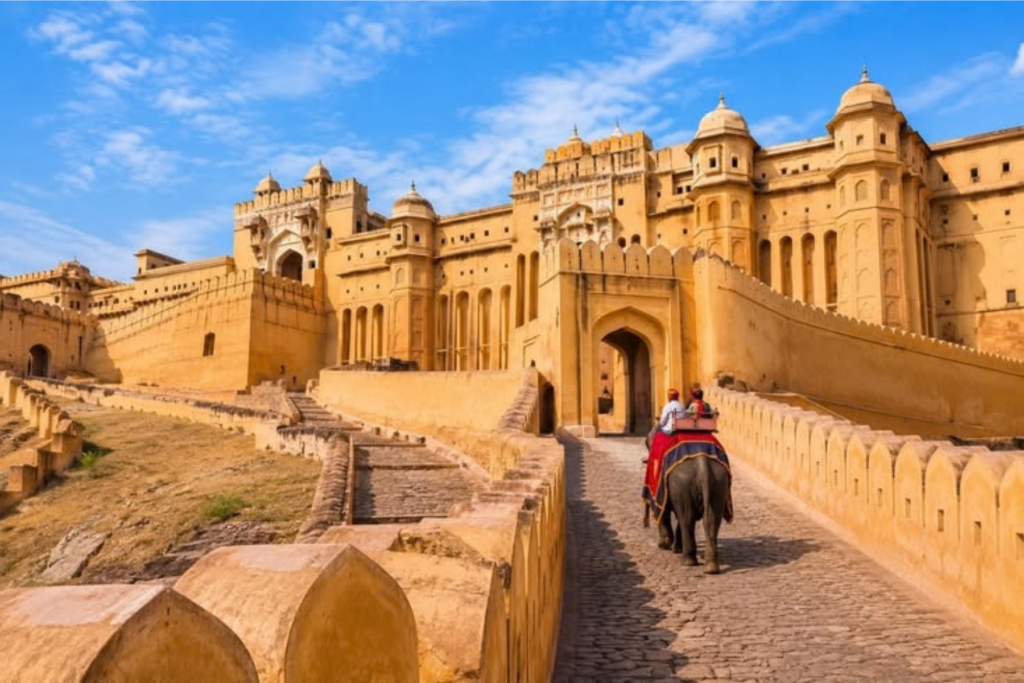
3. Best time to visit Rajasthan
Rajasthan’s forts, palaces, desert landscapes and historic cities are among India’s most rewarding destinations for travellers interested in heritage and architecture.
The cooler months, broadly October to March, are usually the most comfortable for exploring Jaipur, Jodhpur, Udaipur and Jaisalmer. Days can be sunny, but temperatures fall after sunset, particularly in desert areas.
October and November
These months can offer a useful balance for city sightseeing and longer road journeys after the main monsoon has withdrawn. Conditions vary, so check the forecast for each city rather than assuming the entire state has identical weather.
December to February
This is a popular period for Rajasthan trips. Daytime sightseeing is often more comfortable than in summer, but nights can be cold. Major festivals, weddings and holiday travel can increase demand for accommodation.
March to June
Temperatures rise, with April and May often particularly hot in inland areas. If travelling during this period, prioritise early-morning visits, air-conditioned transport and a realistic daily schedule.
July to September
Rain can transform parts of Rajasthan’s landscape and may suit travellers who prefer a different atmosphere. However, rainfall is variable, and humid conditions or local downpours can affect outdoor plans.
Practical advice: If Rajasthan is the main focus of your trip, choose the cooler months unless you have a specific reason to travel in summer or monsoon. If your itinerary includes several cities, allow enough time for road transfers and avoid placing long outdoor visits in the hottest hours.
4. Best time for a tiger safari in Ranthambore
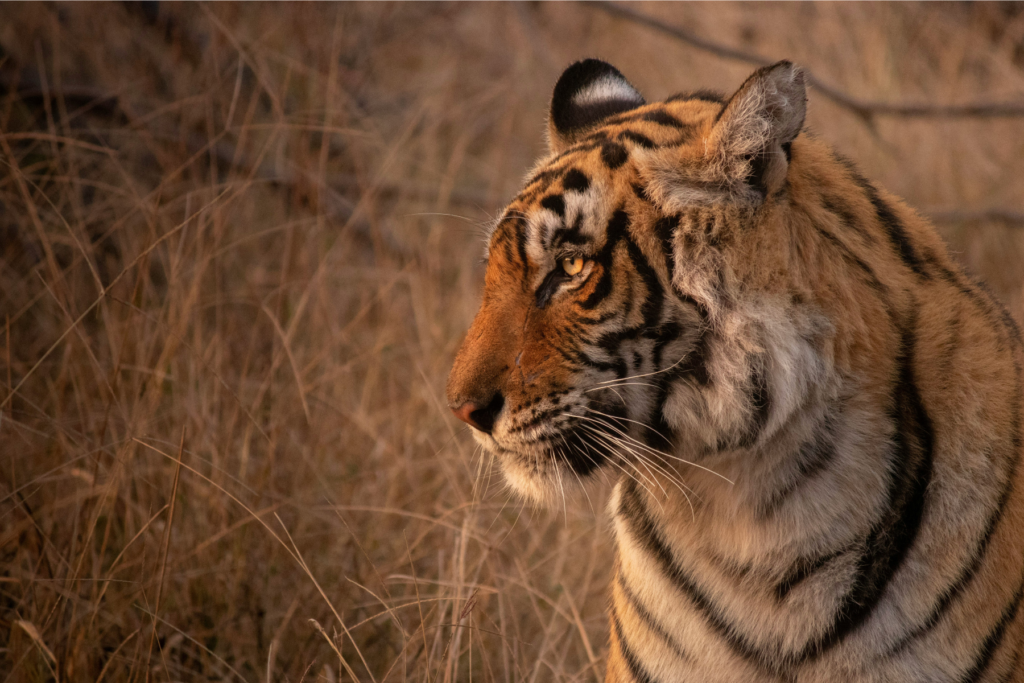
A Ranthambore safari is a wildlife experience, not a guaranteed tiger sighting. The season you choose affects the heat, the landscape and the conditions of the drive, but no month can promise a particular animal encounter.
The park’s operating calendar and safari availability should be checked before booking. Many travellers consider the cooler part of the operating season for a more comfortable overall trip, while hotter months can offer a different landscape and wildlife-viewing experience.
Cooler months
From the post-monsoon period into winter, the landscape can be greener and temperatures may be more comfortable. Visibility, animal movement and sightings remain unpredictable.
Hotter months
As the dry season progresses, the landscape may become less dense in some areas, but daytime heat can be demanding. Safari conditions depend on the zone, timing and current park arrangements.
Monsoon considerations
Park access and safari operations can be restricted during parts of the monsoon. Do not assume that a safari will be available simply because you can travel to the area. Confirm dates and permitted routes through the official booking arrangements.
Before booking: Verify the park’s current operating dates, safari timings, zone allocation and availability. Taj Explore offers a Golden Triangle tour with Ranthambore safari; check the specific package inclusions and dates before confirming your trip.
5. Best time to visit Kerala and South India
South India has its own seasonal patterns. Kerala’s backwaters, coastal towns and hill regions do not necessarily experience the same conditions at the same time.
October to March is a popular broad window for many southern itineraries, but it is not a guarantee of dry weather. Parts of the southeast coast, particularly Tamil Nadu, can receive substantial rainfall during the northeast monsoon in roughly October to December.
Kerala
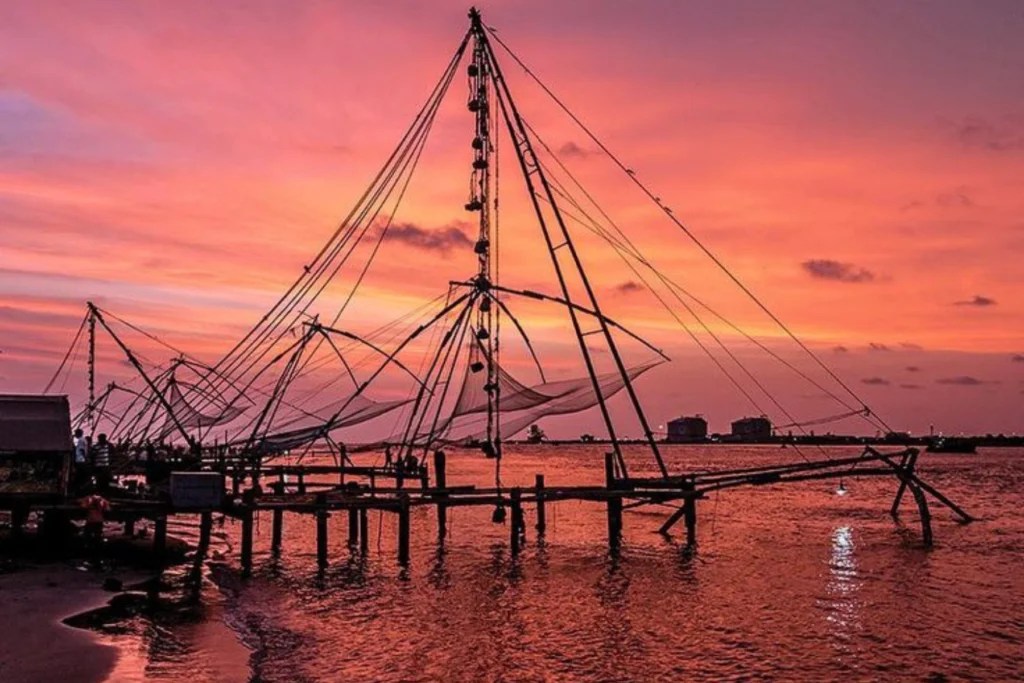
For many travellers, November to February is an attractive period for exploring Kerala’s backwaters, historic towns and hill stations. Conditions vary by coast and elevation, and rain can occur outside the main monsoon period.
If you are planning a houseboat stay or outdoor activity, confirm the arrangements and check local weather close to departure.
Tamil Nadu
Tamil Nadu’s rainfall pattern differs from much of northwest India. The northeast monsoon can bring significant rain in the latter part of the year, including to Chennai and parts of the coast.
If your trip centres on temples, coastal cities or a multi-stop Tamil Nadu itinerary, check the local forecast rather than relying on the general North Indian travel season.
Goa
November to February is a popular period for beach holidays in Goa. It generally offers more dependable beach-going conditions than the main monsoon months, but it is also a busy period, especially around Christmas and New Year.
Book accommodation and transport early if travelling during major holiday dates.
6. Best time to visit the Himalayas and Ladakh
Mountain weather is especially sensitive to altitude, road conditions and the time of year. A season suitable for one Himalayan destination may not be suitable for another.
Hill stations
Places such as Shimla, Darjeeling, Ooty and Munnar can offer a cooler alternative to hot plains during late spring and summer. Each has its own rainfall pattern, and popular holiday periods can be busy.
Ladakh
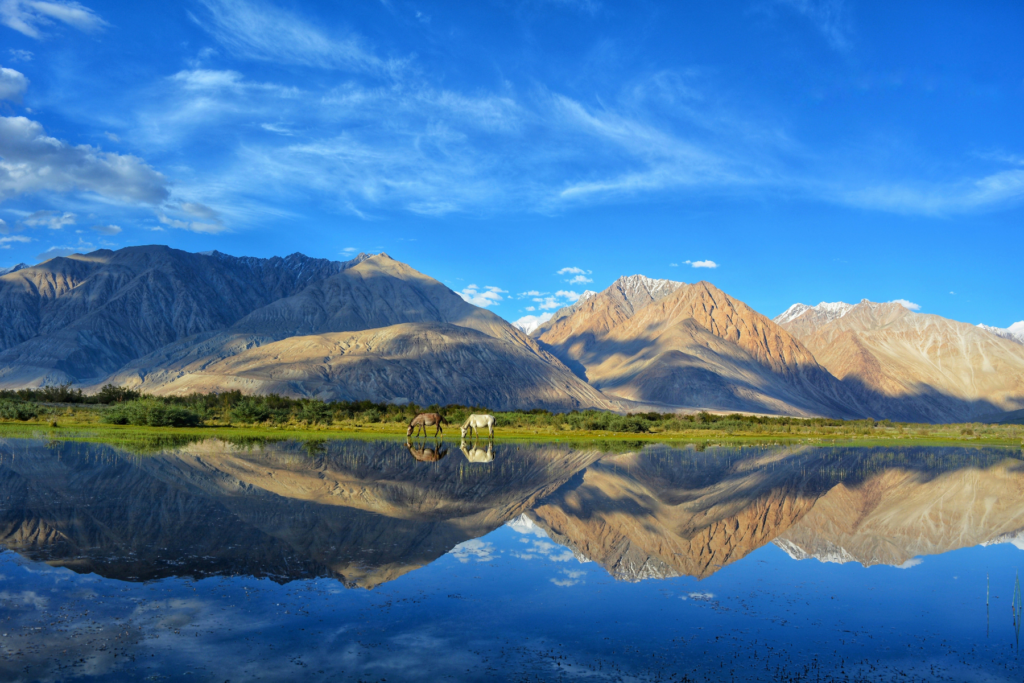
Ladakh is a high-altitude region with a much drier climate than many parts of India. The main travel window for many road trips is generally summer, often June to September, when key routes are more likely to be accessible.
Access depends on current road and weather conditions, and high-altitude travel requires preparation. Allow time to acclimatise and follow local medical and safety guidance.
Trekking
Trekking seasons vary by route and altitude. Some Himalayan routes are most practical in late spring or summer; others are better in autumn. Snow, rain, landslides and sudden weather changes can affect access.
Do not book mountain travel solely by month. Check the exact route, elevation, current road status, local advisories and any required permits.
7. Is monsoon a bad time to visit India?
Not necessarily. Monsoon travel can be rewarding if you choose the right destination and accept that the weather may alter your plans.
Rain can make landscapes greener, feed waterfalls and bring a different atmosphere to forests and rural areas. It can also make transport less predictable and increase risks in flood-prone or mountainous regions.
Monsoon travel may suit you if:
- You want to photograph lush landscapes and waterfalls.
- You are comfortable adjusting plans at short notice.
- Your itinerary is not dependent on long mountain drives or tightly timed outdoor activities.
- You have checked seasonal closures and local travel advisories.
Consider another season if:
- You want the most predictable conditions for a first Golden Triangle trip.
- You have only a few days and cannot easily change your schedule.
- Your main activities involve exposed monuments, trekking routes or mountain roads that may be affected by rain.
The key is to choose by region. Monsoon weather does not affect every part of India equally, and the southwest and northeast monsoon patterns are not interchangeable.
8. When is India cheapest to visit?
Travel costs depend on demand, local events, hotel availability, route, accommodation category and how far in advance you book. Weather alone does not determine the price.
The cooler peak season can be more expensive in popular destinations, especially around major festivals and year-end holidays. The hot season and parts of the monsoon period may offer better accommodation deals in some locations, but savings can come with discomfort or disruption.
| Travel period | Potential advantage | Trade-off |
|---|---|---|
| October–November | Comfortable sightseeing in many northern destinations | Festival dates can increase demand |
| December–February | Popular all-round period for many heritage routes | Busy dates and higher accommodation demand |
| March–April | Can work well with early starts and careful planning | Increasing heat in the plains |
| May–June | Potential value in some destinations; mountain escapes | Severe heat in many inland cities |
| July–September | Lush scenery and possible off-season deals | Rain, disruption and seasonal closures |
These are broad patterns, not guaranteed prices. Compare the actual dates and cancellation conditions for your hotels, transport and tours before deciding.
9. How weather affects your itinerary
A good itinerary is not simply a list of places. It accounts for how weather affects the time and energy required to enjoy them.
Start outdoor sightseeing early. In hot weather, visiting a fort or monument in the morning can be more comfortable than arriving in the afternoon.
Leave flexibility in winter. Fog can affect visibility and travel in parts of North India. Avoid relying on a very tight connection after a long road journey.
Allow extra time during monsoon. Heavy rain can slow traffic and disrupt road travel. Avoid assuming that every transfer will run exactly to schedule.
Choose suitable clothing. Lightweight breathable clothing is useful in heat; layers are important for winter mornings and evenings; rain protection and quick-drying clothing help during the monsoon.
Check conditions shortly before travel. Seasonal averages help with planning, but the forecast for your actual dates is more useful for day-to-day decisions.
For official weather information, consult the India Meteorological Department and the Incredible India weather guide.
10. What should you pack for India’s weather?
Your packing list should reflect the regions you will visit, not simply the month printed on your ticket.
- For winter in North India: Layers, a warm jacket for early mornings and evenings, comfortable walking shoes and any personal cold-weather essentials.
- For spring and summer: Breathable clothing, a hat, sunglasses, sunscreen and a reusable water bottle.
- For the monsoon: A compact rain jacket or umbrella, quick-drying clothes, suitable footwear and waterproof protection for electronics.
- For mountain travel: Warm layers, sturdy footwear and gear suited to the route, altitude and forecast.
- For wildlife safaris: Comfortable neutral-coloured clothing, sun protection and any items required by the safari operator.
If your trip covers multiple regions, pack for the widest range of conditions on your route. A winter trip combining Delhi, Rajasthan and a Himalayan destination may require much warmer clothing than a city-and-coast itinerary.
Frequently asked questions
What is the best month to visit India?
There is no single best month for the whole country. October and November and February and March can be useful choices for many North Indian heritage trips, while December to February is popular for sightseeing across several regions. The best month depends on your destination, activities and tolerance for heat, rain or cold.
What is the best time to visit the Taj Mahal?
The cooler months, broadly October to March, are popular for visiting the Taj Mahal. Early morning can offer more comfortable temperatures and softer light, but winter fog may affect visibility. Check opening arrangements and local conditions before you go.
Is December a good time to visit India?
December can be excellent for many heritage and city itineraries, including Delhi, Agra and Jaipur. However, northern mornings can be cold and foggy, and popular destinations may be busy around the holidays. Pack layers and leave flexibility for transport.
Can I visit India during summer?
Yes, but plan around the heat. Consider hill stations or higher-altitude destinations, start sightseeing early, take breaks during the hottest hours and check heat advisories. Summer conditions can be challenging in the northern and central plains.
Is July or August a good time to visit India?
It depends on the region and your travel style. These months fall within the main southwest monsoon period across much of India. They can be rewarding for green landscapes, but heavy rain may affect transport, trekking and outdoor activities.
When is the best time for a Ranthambore tiger safari?
The best choice depends on the park’s operating calendar, your preferred conditions and safari availability. Cooler months can be more comfortable, while hotter months offer a different landscape. Tiger sightings are never guaranteed, and you should verify current operating dates before booking.
When is the best time to visit Kerala?
November to February is a popular period for many Kerala itineraries, including backwaters and hill stations. Rainfall patterns vary, so check the specific destination and current forecast, particularly if your route includes the southeast coast.
What is the best time to visit India on a budget?
Some hot-season and monsoon dates may offer better rates in certain destinations, while popular winter dates can be more expensive. Compare actual accommodation and transport prices for your dates; a lower price is worthwhile only if the weather suits your plans.
Does India have the same monsoon season everywhere?
No. The southwest monsoon affects much of the country, but timing and rainfall vary by region. Parts of southeastern India receive important rainfall from the northeast monsoon later in the year. Always check the climate pattern of the specific destination.
Plan your trip around the season, not just the dates
India rewards travellers who choose their route carefully. Cooler months can make a Golden Triangle journey more comfortable, summer may be better suited to selected mountain destinations, and the monsoon can bring dramatic landscapes when you plan with flexibility.
For a first visit focused on Delhi, Agra and Jaipur, October to March is a useful starting point. If you want to add Ranthambore, Kerala, Goa or the Himalayas, adjust the timing to suit the additional destinations rather than assuming the same season works everywhere.
Explore Taj Explore’s India tours and travel experiences to compare routes, then check local forecasts and seasonal arrangements before confirming your itinerary. The best trip is not necessarily the one with the most stops—it is the one planned around the places, conditions and experiences that matter most to you. experiences year-round.






Comment (0)