

Meta description: Find the best accommodation in India for every budget, from affordable guesthouses and local homestays to heritage hotels, beach resorts and luxury stays.
India offers an extraordinary range of places to stay. You can spend the night in a family-run guesthouse near an old city market, wake up to tea gardens outside your homestay, sleep in a restored haveli in Rajasthan or book a houseboat on Kerala’s backwaters.
But choosing accommodation in India is about more than finding a room at the right price. The neighbourhood can shape how easily you explore, the season can change your budget considerably, and a property described as “central” may still leave you relying on taxis to reach the places you came to see.
The best choice depends on your route, travel style and priorities. Here’s how to find accommodation that makes your time in India more comfortable, convenient and rewarding.
1. Understanding accommodation prices in India
Before comparing properties, it helps to establish a realistic budget. The figures below are indicative planning ranges in Indian rupees per room or bed, per night, rather than fixed rates. They can vary considerably between cities, mountain destinations, holiday periods and individual properties.
| Accommodation type | Indicative price per night | Best for |
|---|---|---|
| Hostel dormitory bed | ₹400–₹1,200 per person | Solo travellers and backpackers |
| Basic budget hotel or guesthouse | ₹800–₹2,000 per room | Cost-conscious couples and independent travellers |
| Comfortable mid-range hotel | ₹2,000–₹6,000 per room | Couples, families and first-time visitors |
| Homestay or private holiday rental | ₹1,000–₹4,000 per room or unit | Local experiences and quieter stays |
| Boutique or heritage hotel | ₹4,000–₹15,000+ per room | Character, architecture and distinctive settings |
| Luxury hotel or resort | ₹15,000–₹50,000+ per room | Premium service and special occasions |
These ranges overlap because accommodation prices are highly location-dependent. A simple room in a popular part of Mumbai can cost more than a better-equipped property in a smaller town. A private room in a mountain homestay may also cost more during a holiday weekend than during a quieter period.
A useful budgeting rule: compare the total cost of the stay, not just the advertised room rate. Check taxes, breakfast, extra-person charges, heating or air-conditioning, transport to attractions and cancellation terms before booking.
2. Budget hotels and guesthouses: Affordable stays in the right location
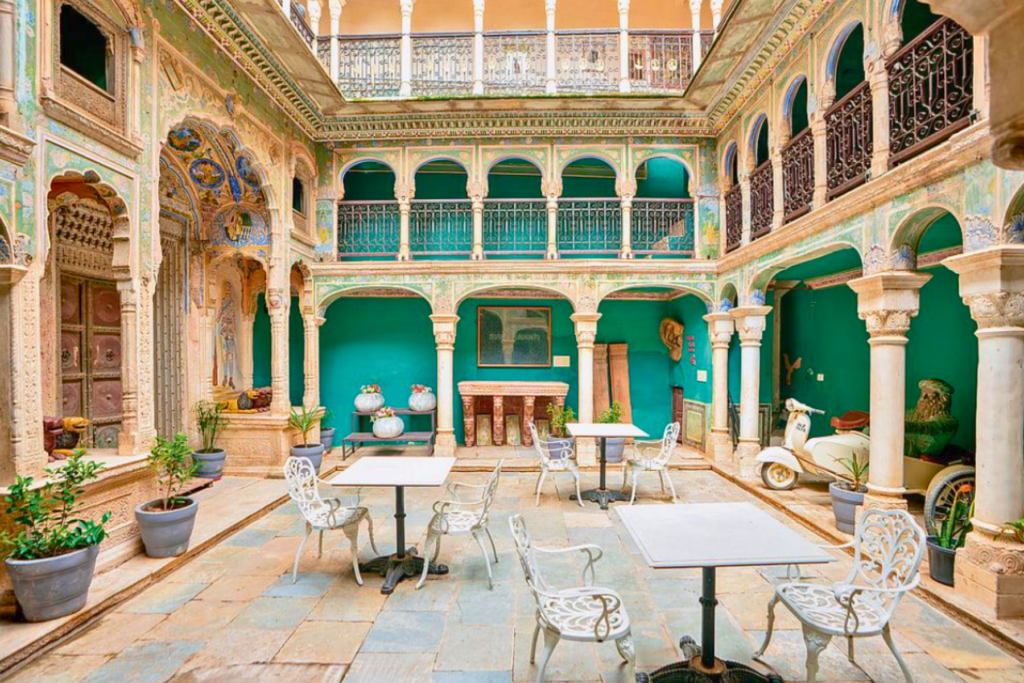
Budget hotels and guesthouses are often the most practical option for travellers who plan to spend most of the day exploring. They can offer private rooms, en-suite bathrooms and basic services without the cost of a full-service hotel.
The important distinction is between a low price and good value. A room that saves you ₹500 but requires long taxi journeys every day may not be the cheaper option overall.
Where to look
Paharganj, Delhi
Paharganj is a well-known budget accommodation district close to New Delhi Railway Station. It can suit travellers arriving by train, backpackers and visitors looking for inexpensive guesthouses with food and transport options nearby. It is busy, noisy in places and not within walking distance of every major Delhi attraction, so check the exact street and metro access.
Karol Bagh, Delhi
Karol Bagh offers a broad choice of hotels, shopping streets and access to Delhi’s metro network. It is worth comparing if you prefer a commercial neighbourhood rather than staying beside the railway station. The most convenient location depends on which parts of Delhi you plan to visit.
Colaba and Fort, Mumbai
These South Mumbai neighbourhoods are useful bases for travellers interested in the Gateway of India, heritage architecture, museums and waterfront walks. They are not always the cheapest areas in the city, however. Compare prices with accommodation near a convenient suburban railway station or metro connection if your budget is tight.
Old Manali, Himachal Pradesh
Old Manali suits travellers who want cafés, mountain scenery and a more relaxed atmosphere. Guesthouses and simple rooms can be good value outside busy periods, but prices rise with seasonal demand. Check road access, heating, hot-water availability and the distance from the main road before booking.
Pushkar, Rajasthan
Pushkar has guesthouses and small hotels within reach of the town’s market streets, temples and sacred lake. It can be a good base for a slower stay in Rajasthan. During the Pushkar Camel Fair and other busy periods, book early and expect rates to rise.
What should you expect to pay?
For initial planning, allow around ₹800–₹2,000 per night for a basic private room in a budget guesthouse or hotel. The lower end may mean a simple room, limited amenities or a less convenient location. In major cities, popular destinations and peak season, you may need to budget more.
Before confirming, look for recent reviews that specifically mention cleanliness, bathroom condition, noise, air-conditioning or heating, and the reliability of hot water. For international travellers, a clearly listed address and a property that confirms its check-in arrangements are also worth prioritising.
3. Homestays and holiday rentals: A more personal way to experience India
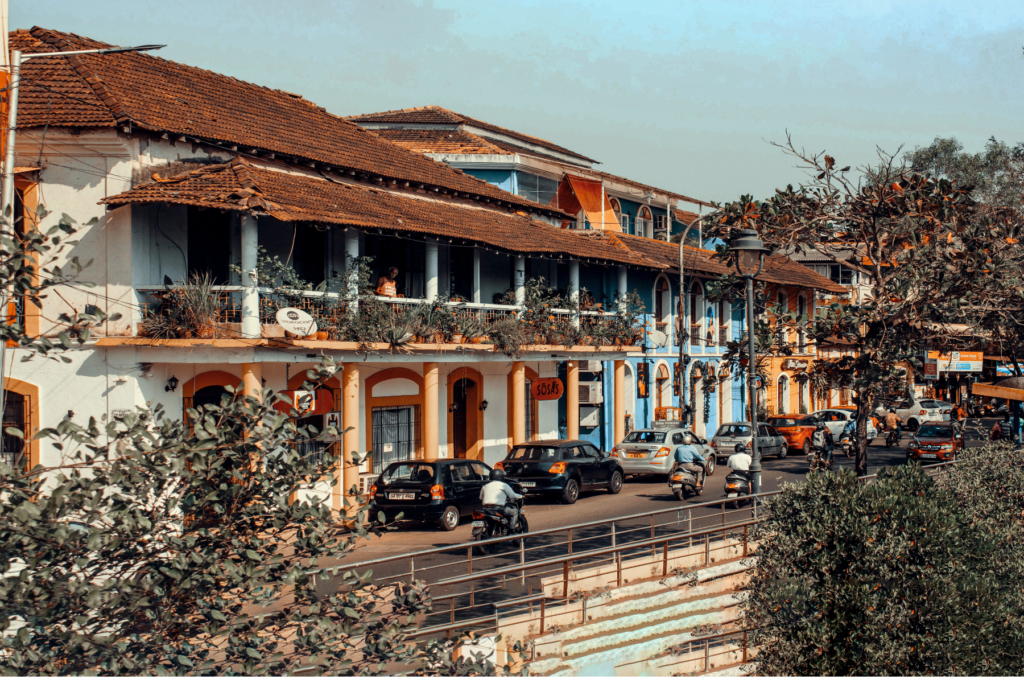
A homestay can offer something a conventional hotel may not: a sense of how people live in the place you are visiting. Depending on the property, you might share a meal with your hosts, learn about local ingredients or receive recommendations for walks and places that are not on every tourist itinerary.
Private holiday rentals can be useful for families, groups and longer stays, particularly when having a kitchen or separate living space matters.
Where to consider staying
Himachal Pradesh — Old Manali, Naggar and Tirthan Valley
Mountain homestays can provide a quieter alternative to larger hotels, with views of forests, orchards or surrounding peaks. Old Manali is convenient for cafés and a social atmosphere; Naggar offers a more village-oriented setting; and Tirthan Valley appeals to travellers seeking nature and outdoor activities.
Kerala — Fort Kochi, Munnar and the backwaters
Fort Kochi works well for visitors interested in heritage streets, cafés and coastal history. In Munnar, a homestay near tea-growing landscapes can make the scenery part of the experience. Around Alappuzha and Kumarakom, backwater stays offer access to Kerala’s waterways, although a houseboat is a different accommodation experience with different inclusions and costs.
Sikkim — Gangtok and village stays
Gangtok offers restaurants, shops and a convenient base for exploring the surrounding region. Village homestays can provide a more intimate experience of local food, culture and mountain life. For remote properties, confirm road access, meal arrangements, heating and transport before booking.
Coorg, Karnataka — Madikeri and coffee-estate surroundings
Coorg is known for its coffee-growing landscape, and a homestay or estate stay can be a good fit for travellers who want greenery and a slower pace. Check whether the property is close to the places you intend to visit: some are deliberately secluded, making private transport or a pre-arranged pickup important.
Uttarakhand — Rishikesh, Mukteshwar and village retreats
Rishikesh suits travellers interested in yoga, river scenery and outdoor activities. Mukteshwar and smaller Himalayan villages offer quieter stays, often with wide views and fewer nearby services. If you are travelling in winter, ask about room heating, road conditions and hot water rather than assuming they are included.
How much do homestays cost?
As a starting estimate, budget around ₹1,000–₹4,000 per night for a basic-to-comfortable homestay or private accommodation. The price may cover a room in a family home, a private cottage or an entire rental unit, so compare like with like.
In remote mountain areas, the rate may include meals or reflect the difficulty of supplying a property. In popular holiday destinations, an attractive entire home can cost substantially more, especially when several guests share it.
Before booking, establish whether the price is per person, per room or for the whole property. Ask whether breakfast and dinner are included, whether the bathroom is private, and how far the stay is from the nearest town. For remote locations, confirm mobile connectivity and transport arrangements as well.
4. Mid-range and boutique hotels: Comfort without losing character
Mid-range hotels are a sensible choice for travellers who want dependable facilities, a private bathroom, reliable service and a comfortable base after a day of sightseeing.
Boutique hotels add another consideration: character. A thoughtfully restored building, a small courtyard or a location within an old neighbourhood can make the stay feel connected to the destination.
Where they work particularly well
- Jaipur: Look for smaller heritage-style hotels and havelis around the Old City or in nearby neighbourhoods. These can provide architectural character while keeping markets and major sights within reach.
- Agra: A well-located hotel can make an early visit to the Taj Mahal easier. Compare the actual route to the entrance rather than relying solely on a “Taj view” label.
- Udaipur: Smaller hotels around the old city and lakefront can place you close to historic streets, restaurants and boat-trip departure points. Check access if your property is on a narrow lane.
- Kochi: Fort Kochi has boutique stays in historic surroundings, making it attractive for visitors who prefer walking, cafés and heritage architecture.
- Mumbai: A mid-range hotel near a suitable railway or metro connection may be more practical than paying a premium to stay in the most famous tourist district.
For planning, allow roughly ₹2,000–₹6,000 per room per night for many mid-range options, with boutique and heritage properties often exceeding that range. This is a guide rather than a guarantee; inspect current rates and amenities before making a decision.
Pay particular attention to location, noise, breakfast arrangements and recent maintenance reviews. In an older heritage building, charm can come with stairs, compact rooms or limited lift access. That may be part of the appeal for some travellers, but it should not come as a surprise.
5. Heritage hotels and palace stays: Sleep inside India’s history
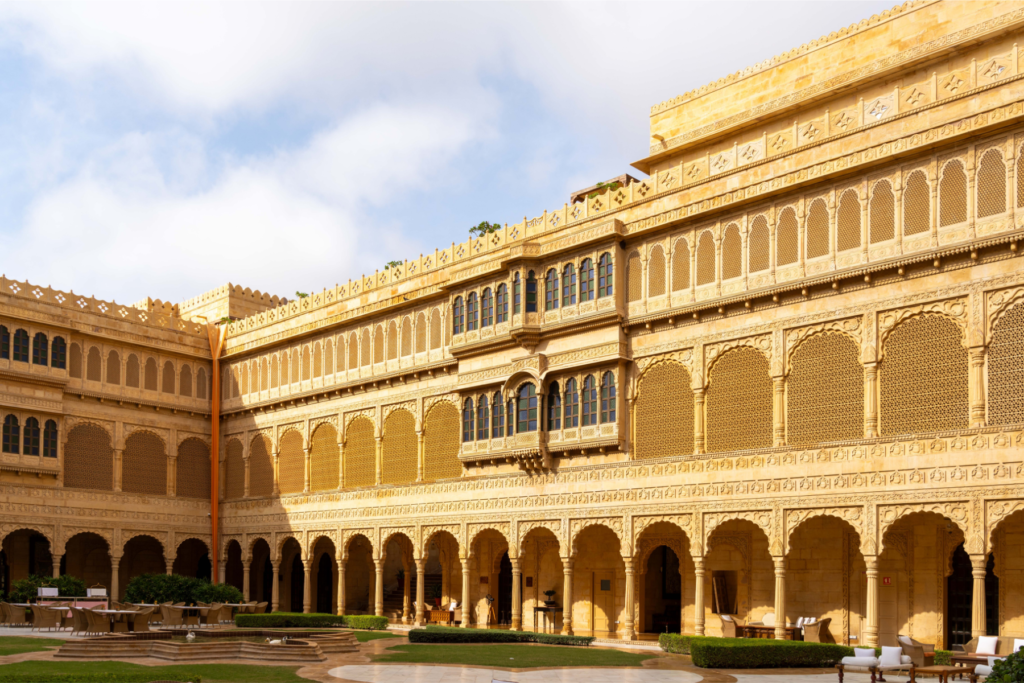
In Rajasthan and other parts of India, some historic residences, forts and havelis have been adapted into hotels. Staying in one can make the accommodation part of the journey rather than simply a place to sleep.
You might find carved stone balconies, inner courtyards, painted walls, traditional textiles or rooms arranged around a garden. The quality and scale vary widely, from modest family-run heritage properties to elaborate palace hotels.

Destinations to consider
Jaipur and the surrounding countryside: Choose a restored haveli for historic character, or a larger palace-style hotel if you want extensive facilities and formal service.
Udaipur: Lake-facing and heritage properties can provide a memorable setting, particularly for couples or special occasions. Views and proximity to the old city often influence the price.
Jodhpur: Some stays around the old city offer views of blue-painted houses and the imposing Mehrangarh Fort, while properties farther out may provide more space and quieter surroundings.
Agra: Luxury properties near the Taj Mahal can make the monument central to the experience, but a view room and proximity to an entrance are not the same thing. Verify the specific room category and walking or transfer arrangements.
What does a heritage stay cost?
A broad planning allowance is ₹4,000–₹15,000 or more per night for boutique and heritage accommodation. Famous palace hotels and premium properties can cost far beyond this, especially for suites, peak dates and special events.
Read the inclusions carefully. Breakfast, transfers, guided experiences, dining and access to certain facilities may be priced separately. If the property is outside the main town, include the cost and time of getting to restaurants and attractions in your comparison.
Choose a heritage stay because its setting and experience matter to you—not simply because the listing uses words such as “royal”, “palace” or “luxury”.
6. Luxury hotels and resorts: When the stay is part of the holiday
Luxury accommodation in India ranges from contemporary city hotels and wellness retreats to secluded beach resorts, wilderness lodges and large palace properties. The right choice depends on whether you want convenience, privacy, recreation, wellness or a memorable setting.
A city hotel may be best for a short business or sightseeing visit, while a resort can make sense when you intend to spend more time on the property.
Where to consider a luxury stay
- Delhi and Mumbai: Full-service hotels can be convenient for premium dining, business facilities, shopping and city exploration.
- Rajasthan: Palace hotels and heritage resorts offer architecture, landscaped grounds and a strong sense of place.
- Kerala: Backwater and coastal resorts suit travellers looking for relaxation, wellness experiences and access to nature.
- Goa: Beach resorts can be a good fit for a slower holiday, but check whether the property is actually beachfront or requires transport.
- Ranthambore and other wildlife destinations: Lodges and safari-oriented resorts can simplify early starts and transfers, though safari permits, transport and meals may be separate from the room rate.
For initial planning, ₹15,000–₹50,000+ per room per night is a broad luxury budget, not an upper limit. High-end suites, private pools, premium resorts and popular holiday dates can exceed it substantially.
Compare the complete experience: meal plans, transfers, activity arrangements, taxes, cancellation conditions and what is included in the room rate. For a short stay, a convenient location may be worth more than a long list of facilities you will not use.

7. How to choose the right neighbourhood
A hotel can look ideal online and still be inconvenient once you arrive. Before booking, map the property against your itinerary.
For a first trip through the Golden Triangle, for example, you may prefer accommodation that gives you manageable access to the major sights in Delhi, Agra and Jaipur. In Mumbai, a hotel near an appropriate local train or metro connection may be more useful than one that is simply labelled “city centre”. In mountain destinations, the nearest town may be a long drive away even when it looks close on a map.
Use this checklist:
- Check the exact address. Confirm the neighbourhood, not just the city name.
- Measure travel time. Look at realistic routes to the places you plan to visit.
- Check transport after dark. Consider how you will return after dinner or an evening activity.
- Read recent reviews. Focus on cleanliness, noise, staff communication and maintenance.
- Confirm the room category. A standard room may not have the view or facilities shown in the lead photograph.
- Look for hidden costs. Taxes, breakfast, extra beds, parking and transfers can change the final price.
- Check access requirements. Older buildings and mountain properties may involve stairs, steep paths or limited vehicle access.
A central location is not always the best location. The goal is to stay somewhere that fits your route, comfort needs and budget.
8. When should you book accommodation in India?
Booking time depends on where you are going, when you are travelling and how particular you are about the property.
For the Golden Triangle, November to February is generally a popular period because of the cooler weather. Festival dates, weddings and school holidays can also increase demand. Mountain destinations have their own seasonal patterns, while beach and backwater areas can become busier during holidays.
Use these practical guidelines:
- Popular dates and special stays: Book well in advance, particularly if you want a specific heritage hotel, resort or room category.
- Golden Triangle trips in peak season: Compare options early and reserve accommodation with suitable cancellation terms where possible.
- Mountain and nature destinations: Check the local season, road access and weather before committing to a remote property.
- Flexible off-season travel: You may find more choice or better rates, but confirm that the facilities you need are operating.
- Multi-city itineraries: Keep the accommodation dates aligned with your train or flight bookings, allowing for delays and late arrivals.
Always check the property’s cancellation deadline, payment schedule and check-in hours. A non-refundable rate may be cheaper, but it can become expensive if your itinerary changes.
9. How to book accommodation safely
Booking platforms make it easy to compare prices and reviews, but a polished listing does not guarantee that every detail is accurate.
You can search through established hotel-booking websites, holiday-rental platforms or the property’s own website. Compare the final price for the same dates and room type, then review the cancellation policy before paying.
Before confirming:
- Read recent reviews, not just the overall score. Look for recurring complaints and see whether the property has responded.
- Check the exact room details. Confirm bed type, bathroom arrangement, air-conditioning or heating, Wi-Fi and breakfast.
- Use secure payment methods. Be cautious if someone asks you to move a platform booking to an unrelated payment channel.
- Confirm check-in arrangements. Tell the property if you expect to arrive late or need an early check-in.
- Save your confirmation. Keep the address, booking reference and contact details accessible offline.
- Verify transport. For remote stays, ask about the nearest station or airport, transfer costs and the last practical arrival time.
For homestays, ask the host questions before booking if the listing leaves important details unclear. A prompt, specific reply can help you judge whether the arrangement suits your trip.

10. Which accommodation is best for your kind of trip?
The best option depends on what you value most.
| Your travel style | Accommodation to consider | Why it may suit you |
|---|---|---|
| Solo or backpacking | Hostel or budget guesthouse | Lower cost and opportunities to meet other travellers |
| First visit to India | Well-reviewed mid-range hotel | A practical balance of comfort and convenience |
| Couples or a special occasion | Boutique or heritage hotel | Characterful surroundings and a distinctive stay |
| Family holiday | Family room, apartment or full-service hotel | Space, predictable facilities and easier logistics |
| Nature and mountain travel | Homestay or small lodge | A closer connection to the landscape and local hosts |
| Relaxation-focused holiday | Resort or wellness retreat | Facilities and experiences designed around the stay |
| Short city visit | Hotel near your planned sights or transport | Less time spent travelling across town |
For families and groups, compare the cost of one larger room or apartment with the price of multiple hotel rooms. For solo travellers, a dorm bed may be economical, but a private room can be worth the additional cost if sleep, privacy or work space matters.
11. Common accommodation mistakes to avoid
Choosing only by price. A very cheap room may be far from the attractions, poorly maintained or missing facilities you assumed were included.
Assuming every homestay includes meals. Some offer breakfast, some charge separately, and others provide only the room. Confirm before booking.
Ignoring the season. A mountain room that is comfortable in summer may require extra heating in winter. Coastal and backwater properties can also have seasonal differences in weather and activities.
Trusting photographs without checking reviews. Photos can show the best room or an angle that hides the property’s surroundings. Look for recent guest photographs where available.
Booking a remote stay without checking transport. A secluded cottage can be wonderful, but it may require a private vehicle or advance pickup arrangements.
Forgetting the final price. Taxes, service charges, meals, transfers and extra-person fees can make two apparently similar listings very different in value.
Frequently asked questions
How much should tourists budget for accommodation in India?
A basic private room may cost around ₹800–₹2,000 per night, while a comfortable mid-range hotel often falls around ₹2,000–₹6,000. Luxury hotels can cost ₹15,000 or considerably more. Treat these as planning estimates and check rates for your actual dates.
Are homestays cheaper than hotels in India?
They can be, particularly in smaller towns and rural destinations. However, a private cottage or entire holiday rental may cost more than a hotel room. Compare the total price, room arrangement, meals and transport rather than relying on the accommodation label.
Which areas are good for budget accommodation in Delhi?
Paharganj and Karol Bagh are useful starting points for comparison. Paharganj is close to New Delhi Railway Station, while Karol Bagh has shopping and metro connections. Check the exact location and recent reviews before booking.
Is it worth staying in a heritage hotel in Rajasthan?
It can be, especially if architecture, local history and atmosphere are important to you. Prices vary from relatively accessible heritage guesthouses to expensive palace hotels. Check the location, included meals and facilities before deciding how much of your budget to allocate.
Should I book accommodation before arriving in India?
For a first visit, peak-season travel, multi-city itineraries or a specific property, booking ahead is usually the more practical choice. Travellers with flexible plans may have more options in quieter periods, but should still confirm availability and arrival arrangements.
What should international travellers check before booking?
Confirm the exact address, total price, cancellation policy, room facilities, check-in time and transport options. For remote properties, ask about road access and meals. Keep the booking confirmation and property contact details available offline.
Find a stay that fits your journey
The best accommodation in India is not necessarily the most expensive or the one with the most impressive photographs. It is the place that fits your route, offers the comfort you need and helps you experience the destination in the way you want.
A simple guesthouse can be ideal for a busy sightseeing trip. A homestay can add local insight to a journey through the hills. A heritage hotel or resort may be worth the extra cost when the stay itself is part of the experience.
Start with your itinerary and a realistic budget, compare the total cost, and choose the location as carefully as the room. That is how you find accommodation that makes your time in India easier—and more memorable.




Comment (0)