

India rewards curiosity, but there is one part of the journey worth sorting out before you get anywhere near the airport: your visa.
For most international visitors, entering India means arranging a visa in advance. For many travelers, the simplest option is an Indian e-Visa, which can be applied for online before departure. But the process comes with a few details worth knowing—from choosing the right visa to checking your entry point and completing the new e-Arrival Card before you land.
This guide walks you through the process, what to prepare, when to apply and what happens when you arrive.
Planning a trip to India? Start with the official Government of India visa portal before making any final travel arrangements, as eligibility, fees and requirements can change.
1. Do You Need a Visa for India?
For most foreign nationals, yes.
The exact requirements depend on your nationality, passport, purpose of travel and intended length of stay. India offers several visa categories, including tourist, business, medical, transit and other specialized visas. Eligible travelers can apply for an e-Visa online, while others may need to apply for a regular visa through an Indian Mission or designated application process.
There are also limited visa-exemption and special arrangements for certain nationalities. For example, Nepalese and Bhutanese citizens generally do not need a visa for entry into India under specified conditions, while Maldivian citizens can enter visa-free for tourism for stays of up to 90 days subject to the applicable rules.
The safest approach is to check your passport nationality on the official Indian visa portal rather than relying on a general list found elsewhere.
- Tourist Visa: For travelers visiting India for leisure, sightseeing, or casual visits. Available as e-Tourist Visa or Regular Tourist Visa.
- Business Visa: For attending business meetings, conferences, or exploring trade opportunities in India.
- Medical Visa: For individuals seeking medical treatment in recognized hospitals or health centers in India.
- Student Visa: For students enrolled in Indian universities or educational programs.
- Employment Visa: For professionals working with Indian companies or foreign firms operating in India.
2. The Indian e-Visa Explained
For eligible tourists, the e-Tourist Visa is usually the most convenient route.
The Government of India currently offers e-Tourist Visa options for:
- 30 days
- 1 year
- 5 years
The availability, conditions, permitted stay and fees depend on the visa type and nationality. The official portal should always be checked for the rules applicable to your passport.
The e-Visa is not simply a document you receive at the airport. You apply online, receive an Electronic Travel Authorization (ETA) if approved, and then travel to India with the required documentation. The ETA is checked during your journey and at immigration.
Key Points About e-Visa:
- Validity: 30 days, 1 year, or 5 years, depending on the type.
- Application: Submit the application online with passport details, photo, and payment.
- Arrival: e-Visa is valid at designated airports and seaports.
3. Who Can Apply for an Indian e-Visa?
Many nationalities are eligible, including travelers from much of Europe, North America, Australia, New Zealand and numerous countries across Asia, Africa and Latin America.
But eligibility is nationality-specific and can change.
Instead of publishing a long list that may become outdated, check your citizenship directly through the official Indian e-Visa system before applying. The government maintains the current eligibility information online.
If you are not eligible for an e-Visa, you may need to apply for a regular/paper visa through an Indian Mission or the relevant visa application center.
4. What Do You Need to Apply?
For a standard e-Tourist Visa application, you will generally need:
- A valid passport
- A recent front-facing photograph meeting the required specifications
- A scanned copy of the passport’s biographical page
- Your travel and personal details
- An accepted online payment method
The official e-Visa instructions specify that the passport page containing personal information must be uploaded, along with a recent photograph with a white background.
Before beginning the application, have your passport and travel information ready. A few minutes spent checking your details against your passport can prevent avoidable problems later.
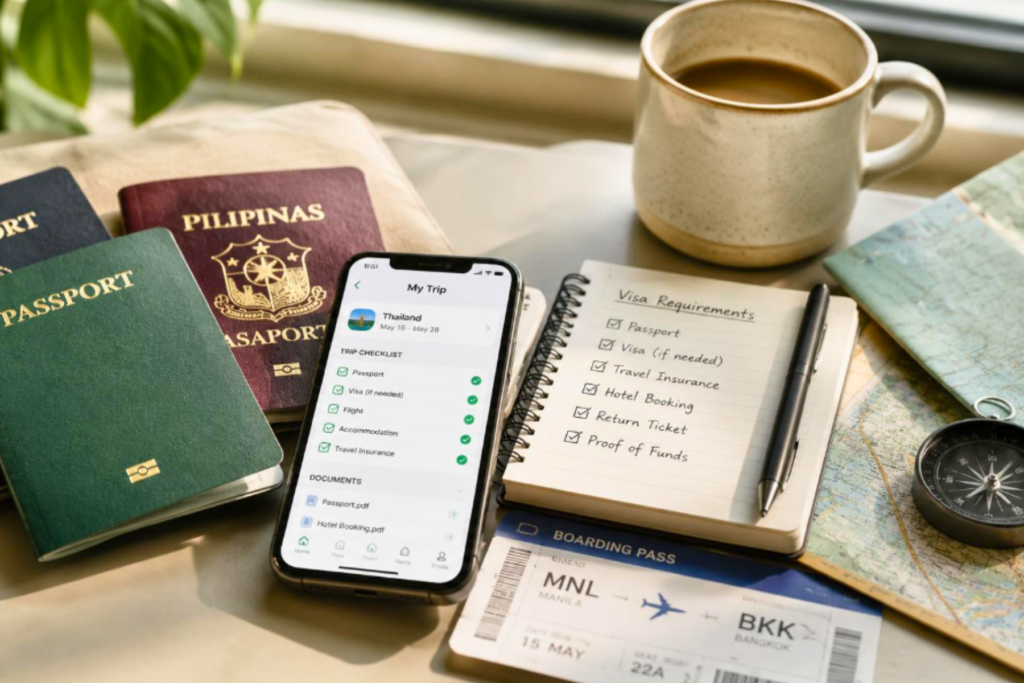
Your passport matters
The Government of India’s visa information states that travelers should hold a passport with at least six months’ validity and the required blank pages for immigration formalities.
If your passport is close to expiry, renewing it before applying can save you from having to deal with conflicting passport and visa information.
5. How to Apply for an India e-Visa
The online process is relatively straightforward.
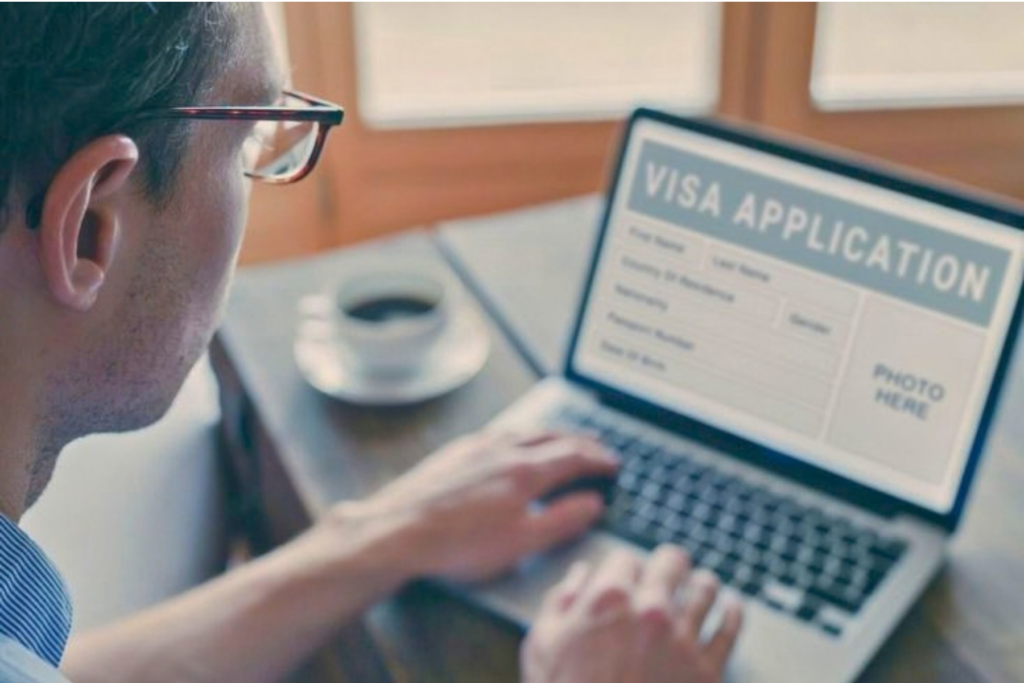
A. Complete the application online
Enter your personal, passport and travel information exactly as it appears in your passport.
Take particular care with:
- Full name
- Date of birth
- Passport number
- Nationality
- Passport issue and expiry details
B. Upload the required documents
Upload the passport biographical page and photograph according to the government’s specifications. Additional documents may be required depending on your visa category.
C. Pay the visa fee
The fee varies according to nationality and visa category. The government also notes that the e-Visa processing fee is non-refundable, including where an application is rejected.
D. Wait for your ETA
Once submitted and paid, you receive confirmation by email. The visa status is subsequently communicated through the email address provided in your application.
E. Check that your ETA says “GRANTED”
Do this before you travel.
The Government of India specifically advises applicants to confirm that their ETA status shows GRANTED before commencing their journey.
F. Carry a copy with you
Keep a printed copy of the approved ETA with your passport and travel documents. The government advises e-Visa travelers to carry the ETA when traveling to India.
6. When Should You Apply?
For eligible e-Tourist Visa applicants, applications can currently be submitted up to 120 days before the proposed arrival date and at least four days before arrival. This applies to both the 30-day and one-year/five-year e-Tourist Visa application windows.
Four days is the official minimum window—not a recommendation to leave your application until the last minute.
If your India holiday is already booked, applying comfortably ahead of your departure gives you more time to resolve an incorrect document, application issue or other complication.
Think of the four-day rule as a minimum, not a countdown.
7. Can You Get a Visa on Arrival?
India’s Visa on Arrival facility is much more limited than its e-Visa program.
Currently, Visa on Arrival is available to nationals of:
- Japan
- South Korea
- United Arab Emirates, subject to additional conditions
For UAE nationals, the facility applies to those who have previously obtained an Indian e-Visa or regular/paper visa; first-time visitors from the UAE are advised to apply for an e-Visa or regular visa in advance.
The facility is available only at designated international airports, including Delhi, Mumbai, Bengaluru, Chennai, Hyderabad and Kolkata, and additional conditions apply.
For most travelers, therefore, do not assume you can simply arrive in India and obtain a tourist visa at the airport.
8. Where Can You Enter India With an e-Visa?
An e-Visa does not allow entry through every Indian border crossing.
Travelers must use designated immigration checkposts, including specified airports and seaports. The official government website maintains the current list.
This matters particularly if your itinerary includes neighboring countries.
If you are planning to travel overland from Nepal, Bangladesh or another neighboring country, check the permitted entry points before finalizing your route.
For a conventional Golden Triangle trip, travelers will commonly arrive through Delhi, making Indira Gandhi International Airport a straightforward starting point.
9. What About a Regular Indian Visa?
Not every traveler or purpose of travel fits the e-Visa system.
If you are not eligible for an e-Visa, or your reason for visiting India requires another visa category, you may need a regular/paper visa.
The regular visa process involves completing the online application, printing the application form, submitting the required documents and passport through the appropriate Indian Mission or visa application center, and then receiving the passport and visa after processing.
The correct procedure can vary by country, so check the Indian Mission responsible for your place of residence.
10. The e-Arrival Card Is Not a Visa
This is one of the most important recent changes for international visitors.
India now requires foreign travelers and OCI cardholders to complete an e-Arrival Card within 72 hours before arrival. It is an arrival-information form, not a visa.
You provide information such as:
- Full name
- Nationality
- Passport number
- Purpose of visit
- Arrival date
- Countries visited in the previous six days
- Address in India
- Contact information
The service is free through the official Indian immigration channels.
Visa vs e-Arrival Card
Think of them as two separate steps:
Visa
→ Gives you the required authorization to travel to and enter India, where applicable.
e-Arrival Card
→ Provides your arrival information to Indian immigration.
Completing the e-Arrival Card does not replace your visa.
This distinction is worth remembering because unofficial websites can make the two sound like the same thing.
11. Be Careful With Unofficial Visa Websites
One of the easiest ways to make an uncomplicated process more expensive is to use a website that looks official but is actually an intermediary.
The Government of India states that it does not authorize agents or intermediaries to charge fees for emergency or express e-Visas or e-Arrival Cards.
For your application, start with the official Government of India portal.
Do not assume that a website is official simply because it contains words such as “India,” “visa” or “government” in its address.
12. What Happens When You Arrive in India?
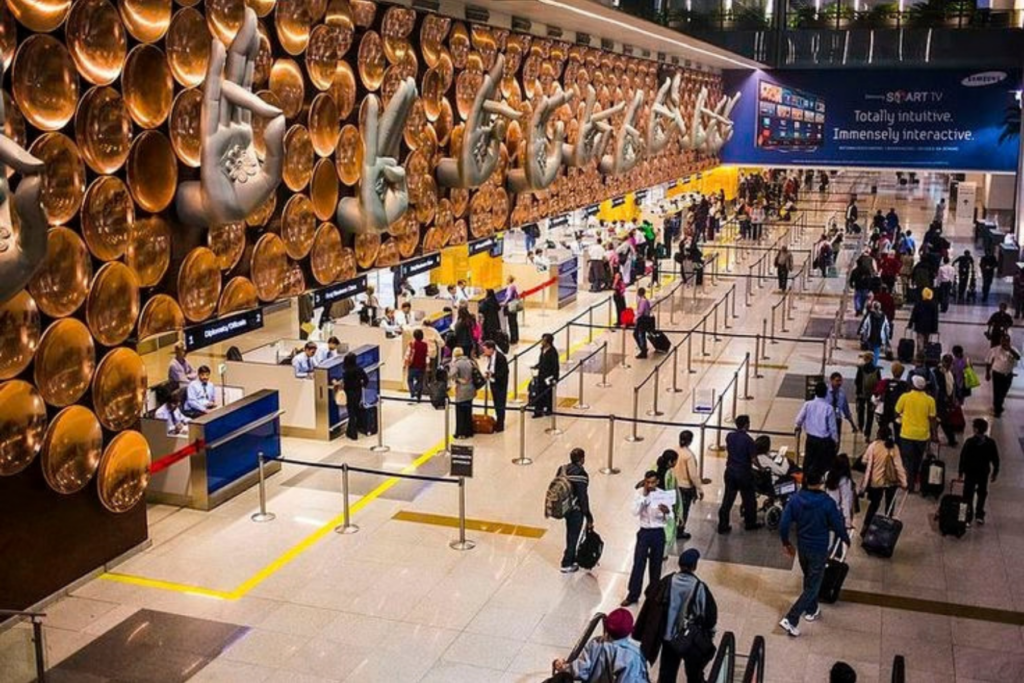
Once you land, proceed through immigration with your passport and required visa documentation.
For e-Visa travelers, biometric information is collected at immigration. The ETA is used as part of the entry process, after which the visa is endorsed in accordance with the applicable rules.
Keep your travel documents accessible rather than buried at the bottom of your luggage.
Depending on your circumstances, immigration officers may also ask for supporting travel information such as your onward or return ticket and details of your stay.
13. What If You Get a New Passport After Receiving Your e-Visa?
This is an easy detail to overlook.
The Government of India states that travelers may be allowed to enter using a new passport when an ETA was issued on an old passport, provided they carry both the new passport and the old passport on which the ETA was issued.
If this applies to you, check the latest official instructions before traveling rather than assuming the two passports can be separated.
14. Common India Visa Mistakes to Avoid
Applying too late
The official minimum is four days before arrival, but leaving the application until the last minute gives you little room to fix problems.
Entering passport information incorrectly
Your application should match your passport exactly. Check the details before submitting.
Assuming every nationality has the same fee
Visa fees vary by nationality and visa type. There is no universal tourist-visa price.
Confusing visa validity with permitted stay
The period for which a visa is valid and the maximum time you can stay are not necessarily the same thing.
Assuming an e-Visa works at every border
Check your intended airport, seaport or other entry point against the current designated list.
Using an unofficial intermediary
Start with the official government portal instead.
Forgetting the e-Arrival Card
Your visa and arrival card are separate requirements. Complete the e-Arrival Card within the permitted 72-hour window before arrival.
15. India Visa Checklist
Before your flight, make sure you have:
- Passport meeting the applicable validity requirements
- Approved visa or ETA, where required
- Printed copy of your approved ETA
- Return or onward travel details
- Accommodation details
- e-Arrival Card completed within 72 hours before arrival
- Copies of important travel documents
- Your visa details saved somewhere accessible offline
A little preparation here can make your arrival considerably smoother.
16. Frequently Asked Questions
How early can I apply for an Indian e-Tourist Visa?
Eligible applicants can currently apply up to 120 days before their proposed arrival date. Applications must be submitted at least four days before arrival.
How much does an Indian e-Visa cost?
The fee depends on your nationality and visa category. Check the official portal for the current fee applicable to your passport.
Is the Indian e-Arrival Card a visa?
No. It is an arrival-information form and does not replace a visa.
Can I get an Indian tourist visa on arrival?
Only certain travelers qualify for India’s limited Visa on Arrival facility. At present, this includes nationals of Japan and South Korea and certain UAE nationals, subject to conditions.
Can I enter India by land with an e-Visa?
Only through designated entry points. A valid e-Visa does not automatically permit entry through any land border.
Do I need to print my e-Visa?
You should carry a printed copy of your approved ETA when traveling to India.
Can I extend my e-Visa after arriving in India?
Indian e-Visas are not designed as a simple extend-on-arrival option. If your plans may require a longer stay, check the applicable visa conditions before traveling.
Once the Visa Is Sorted, the Real Planning Begins
The visa is the administrative part of an India trip. After that, the more interesting decisions begin.
When should you go? Which airport should you fly into? Where should you stay? How do you move between Delhi, Agra and Jaipur? And how much time do you actually need?
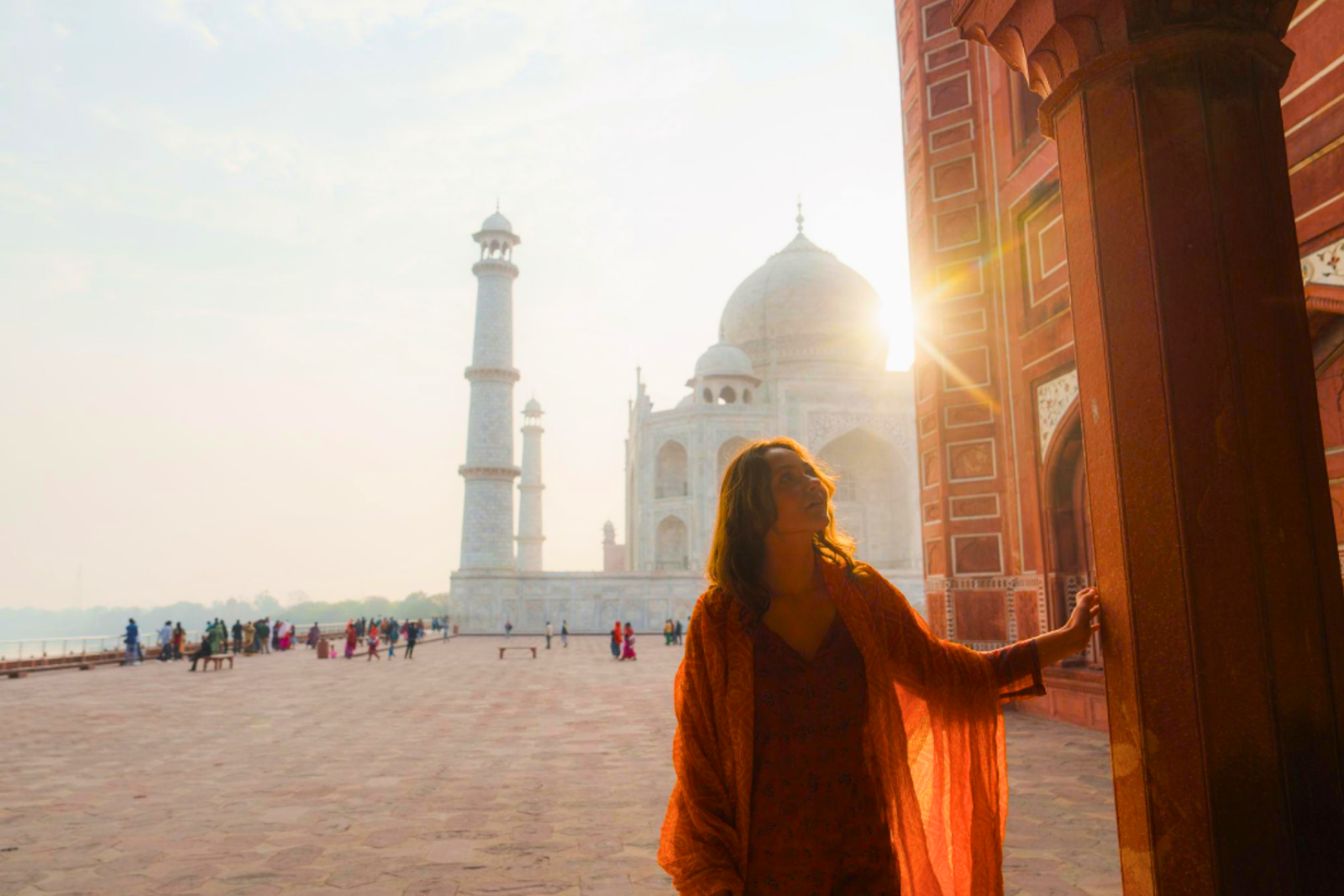
For a first visit, the Golden Triangle is one of the easiest ways to begin. Delhi introduces India’s layered history and contemporary energy; Agra brings you to the Taj Mahal and the Mughal world around it; Jaipur adds Rajasthan’s forts, palaces, markets and distinctive character. The route is compact enough to experience in a relatively short trip while still offering a remarkably varied introduction to the country.
Getting the visa right is simply the first step.
India is waiting beyond the paperwork.




Comment (0)